Last Friday, April 25th, Portugal celebrated 51 years since the Carnation Revolution – a turning point that not only changed its political system, but also transformed the way the country builds, imagines, and lives in its spaces.
Over the last five decades, Portuguese architecture has become a global reference, blending social responsibility, design innovation, and artistic excellence.
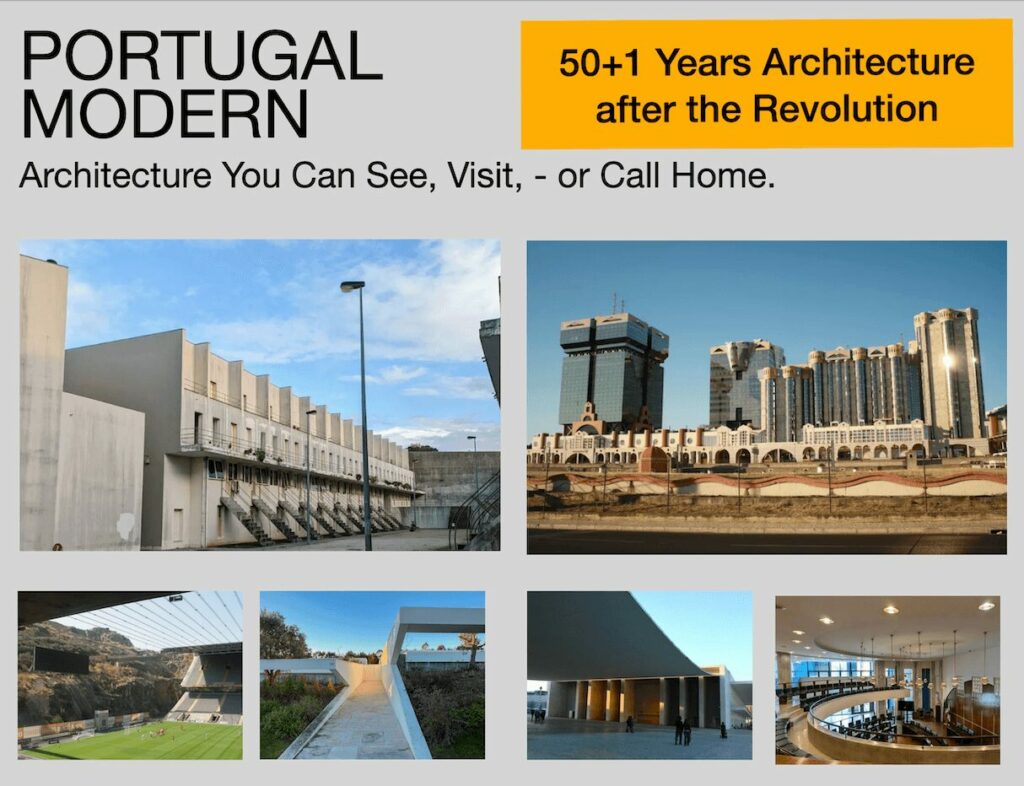
At the moment, Casa da Arquitectura in Matosinhos (Porto) is presenting a fantastic exhibition called “O que faz falta – 50 anos de arquitetura portuguesa em democracia”.
It’s structured as a journey through five major periods of modern architecture — and I’d like to share it with you.
The timeline of 50 Years of Modern Architecture in Portugal:
• REVOLUTION (1974–1983)
• EUROPA (1984–1993)
•END OF THE CENTURY (1994–2003)
• TROIKA (2004–2013)
• WI-FI (2014–2023)
This was one of the best architecture exhibitions I have seen in Portugal, showing over 50 buildings, most represented with original 3D models.
1. REVOLUTION (1974–1983): Building a New Society – Social Housing
On April 25, 1974, Portugal woke up to a new world.
While the rest of Europe spent the ’50s and ’60s exploring democracy, Portugal stayed frozen in dictatorship — until, finally, what the poet Sophia de Mello Breyner Andresen called “the first full day with a clean slate” arrived.
Architecture didn’t completely start from zero, but it gained a new purpose: create democratic spaces for everyone.
One huge step was the creation of SAAL (Serviço Ambulatório de Apoio Local), launched just a few months after the Revolution.
Now world-famous architects like Álvaro Siza Vieira and Gonçalo Byrne worked directly with local communities to replace slums with real, dignified homes.
Architecture became political — an act of solidarity and a tool for building a better society.
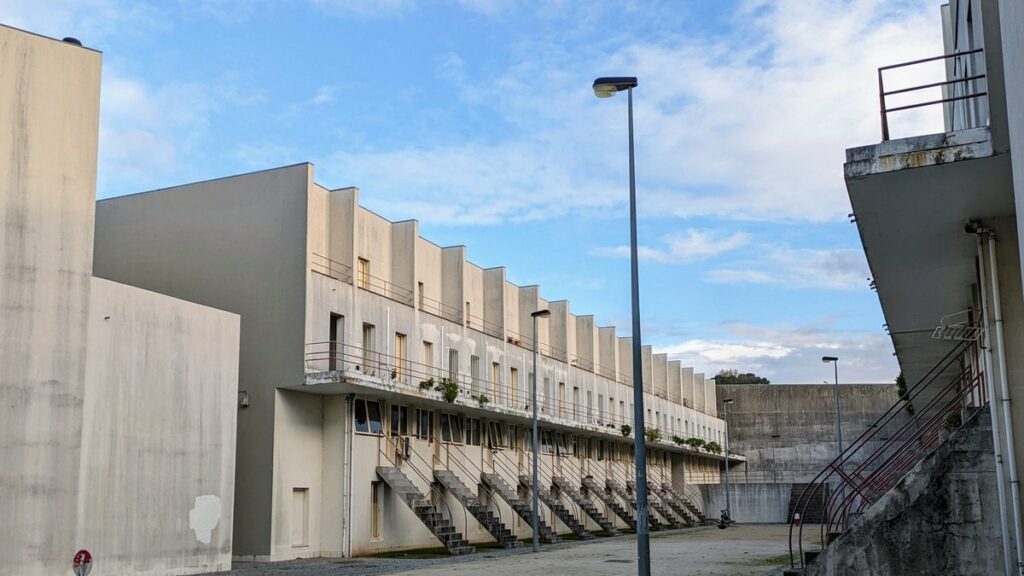
(Bairro da Bouça Porto, Álvaro Siza Photo by Ben)
2. EUROPA (1984–1993): Embracing European Integration – Infrastruct
By the mid-80s, Portugal had secured its democracy — and joining the European Economic Community in 1986 sent a clear message: Portugal was ready to reinvent itself.
Architecture led the way. Across the country, fresh ideas mixed regional traditions with artistic experimentation.
Thanks to European funds, there was massive investment in infrastructure: new universities, schools, cultural centers, and city halls.
At the same time, Portugal’s economy shifted from mainly agriculture to manufacturing and tourism.
One highlight is City Hall of Matosinhos, by Alcino Soutinho, started in 1976 — the first big public building after the Revolution, full of optimism and civic pride.
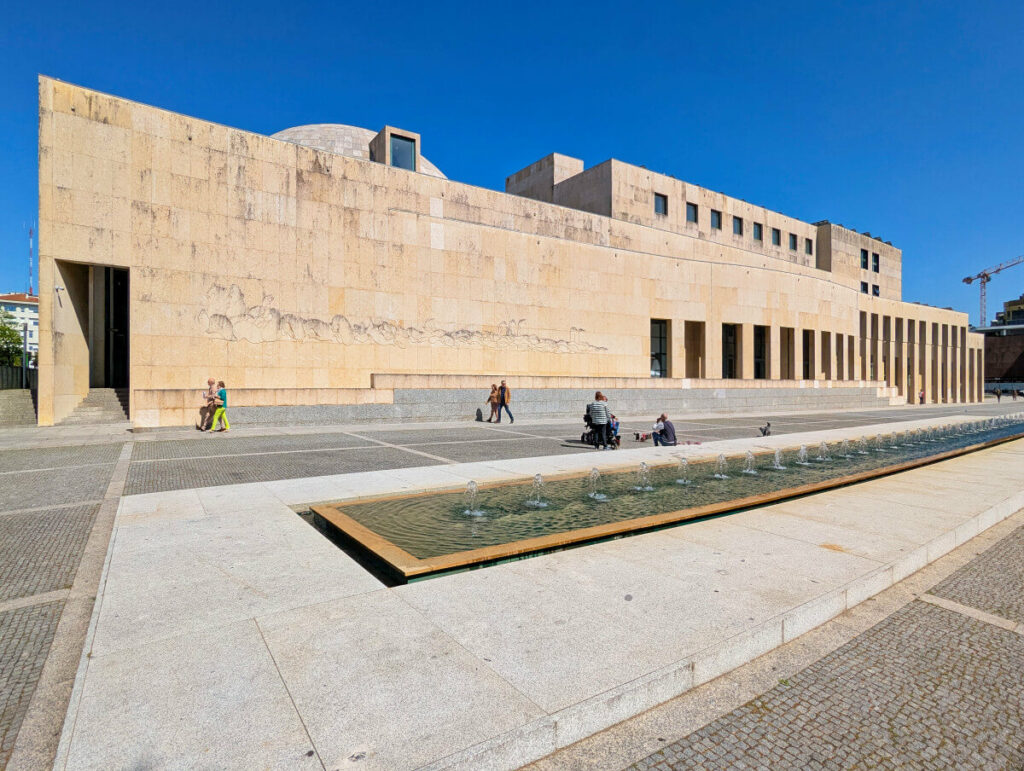
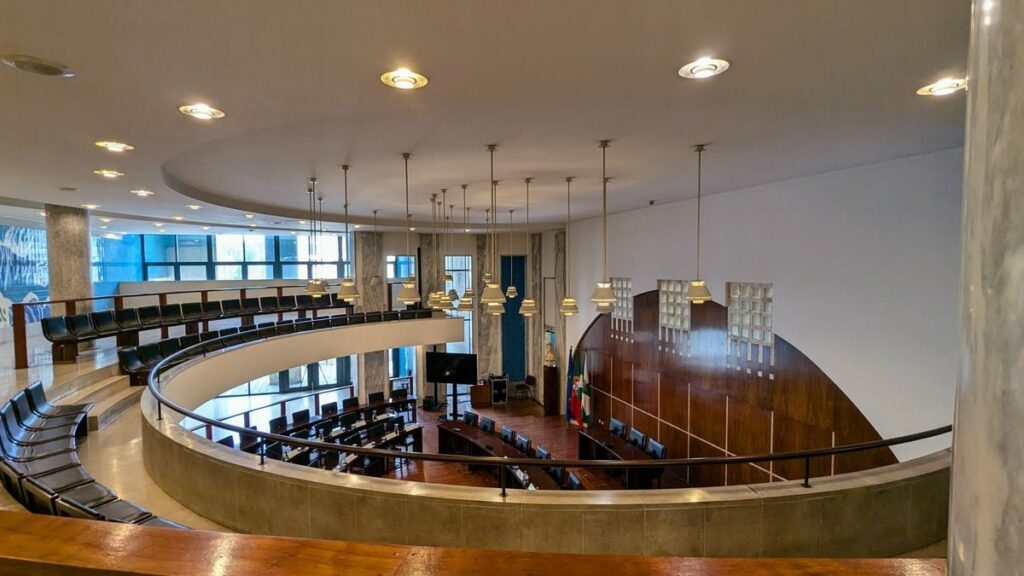
(City Hall of Matosinhos, Alcino Soutinho, Images by Ben)
Architecture also entered the media spotlight with Tomás Taveira’s Amoreiras Complex in Lisbon — colorful, controversial, and impossible to ignore.
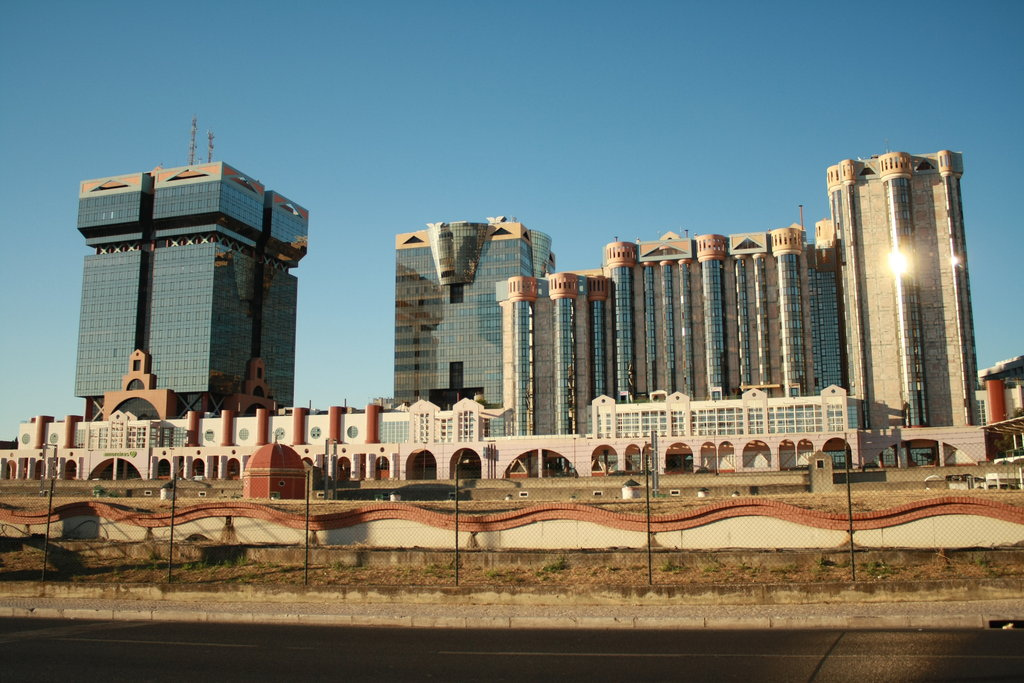
(Amoreiras Complex, Image by Triplecaña Wikipedia)
Meanwhile, universities expanded rapidly: new campuses opened in Lisbon, Aveiro, and Porto.
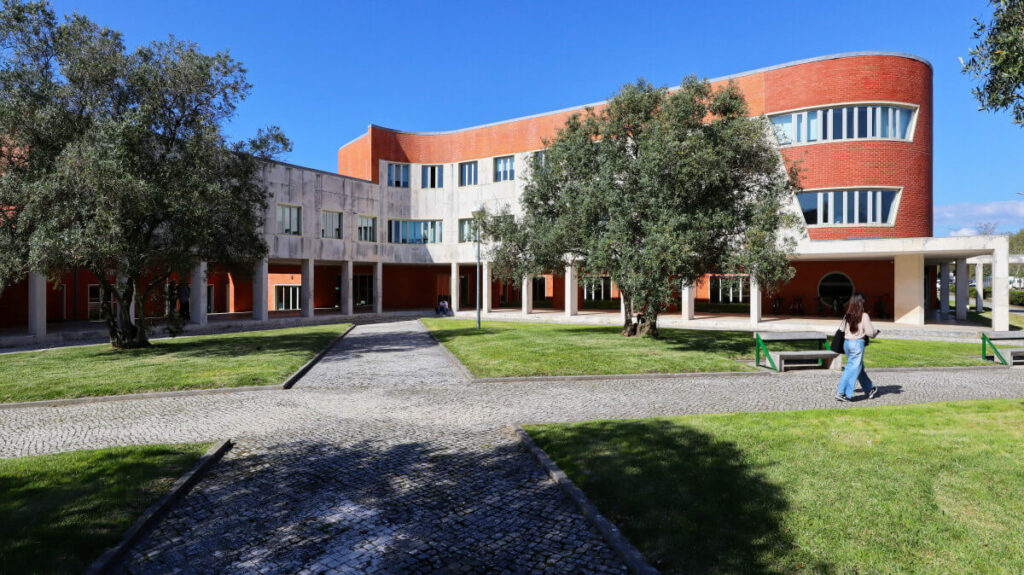
(Alcino Soutinho, Department of Ceramics and Glass Engineering, University of Aveiro 1988 – 1991, Image by Ben)
Public education, almost non-existent before the Revolution, became a national priority.
A proud moment came when Álvaro Siza Vieira received the Pritzker Architecture Prize in 1992 — the first Portuguese architect ever honored with the “Nobel Prize of Architecture.”
3. END OF THE CENTURY (1994–2003): Optimism and Reflection – Expo, Sport and Villas
The end of the 20th century was a time of excitement and ambition.
The euphoria of big events like Expo ’98 set the mood, and architecture became a key part of Portugal’s new global image.
At Expo ’98, Álvaro Siza’s stunning Pavilion of Portugal stole the show. Its flowing concrete canopy became an unexpected new icon for Lisbon and modern Portuguese architecture.
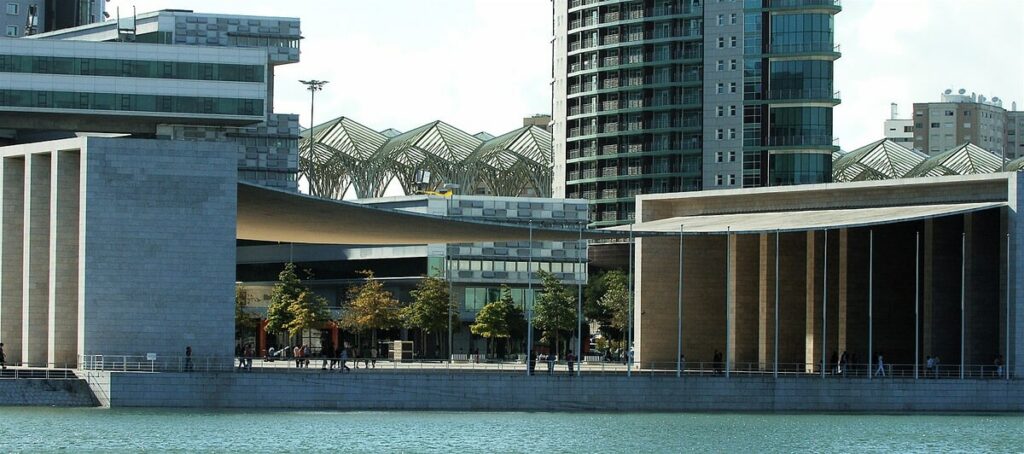
(Pavilion of Portugal Expo 98, Álvaro Siza Image by Ben)
Two icons bookend this period: the Centro Cultural de Belém (Lisbon) by Vittorio Gregotti, Manuel Salgado and Casa da Música in Porto by Rem Koolhaas.
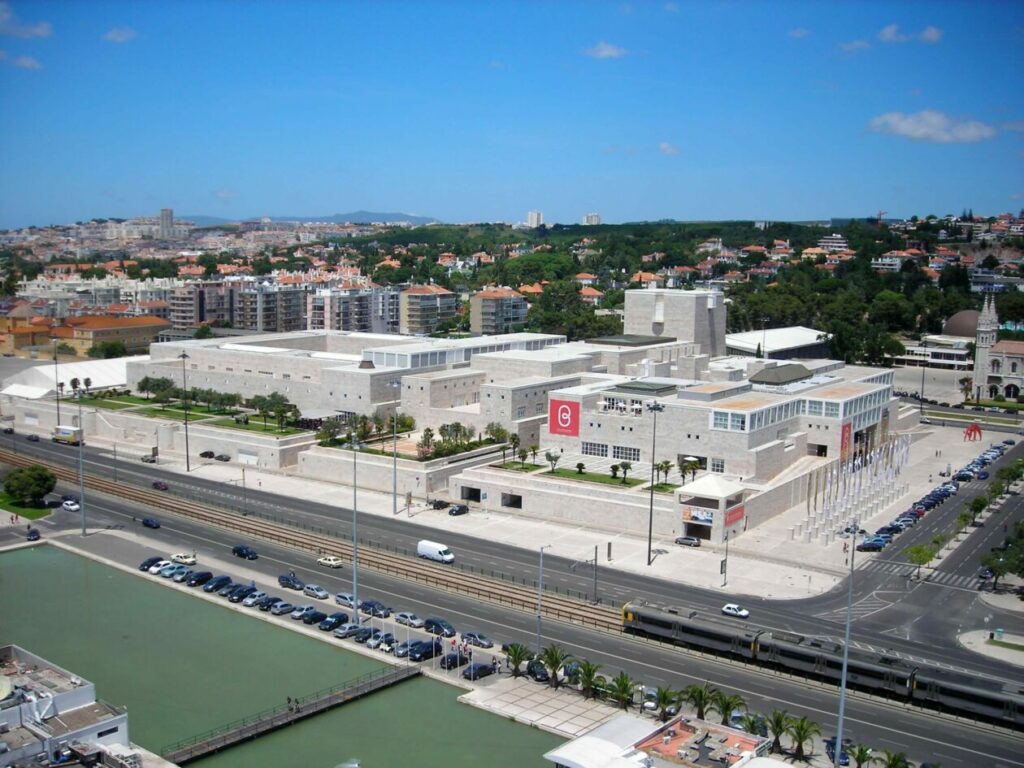
(Centro Cultural de Belém, Image from Therese C – Flickr: DSCN5750)
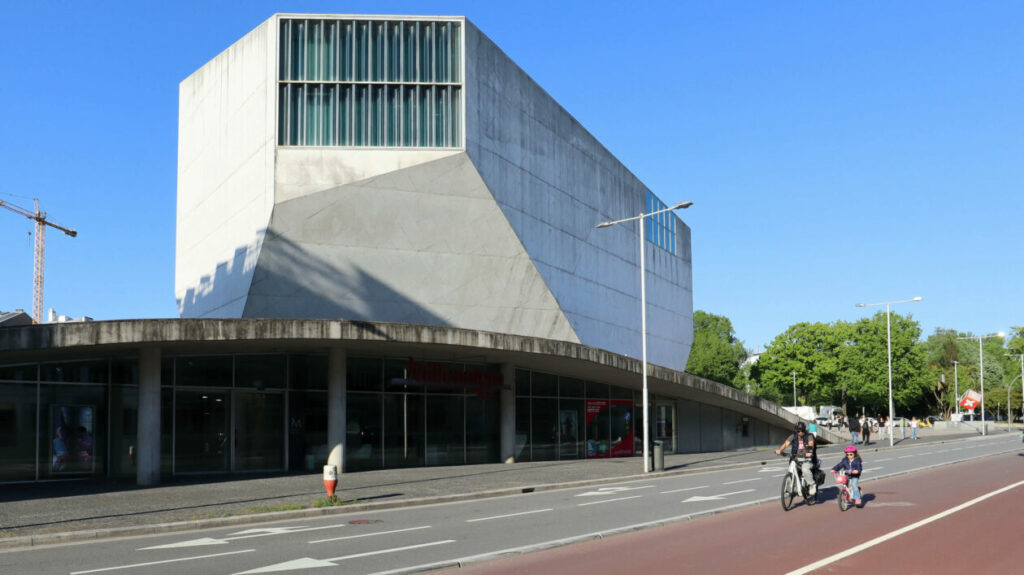
(Casa da Música, Image by Ben)
It was a time of huge construction, with Portugal racing to catch up after decades of isolation. Architects were pushed to new technical and formal limits, while the European Union kept the support flowing.
University education expanded across the country.
Projects like the Mitra Campus in Évora, the Library of the University of Beira Interior, and the Mechanical Engineering Department at the University of Aveiro showed the energy of decentralization.
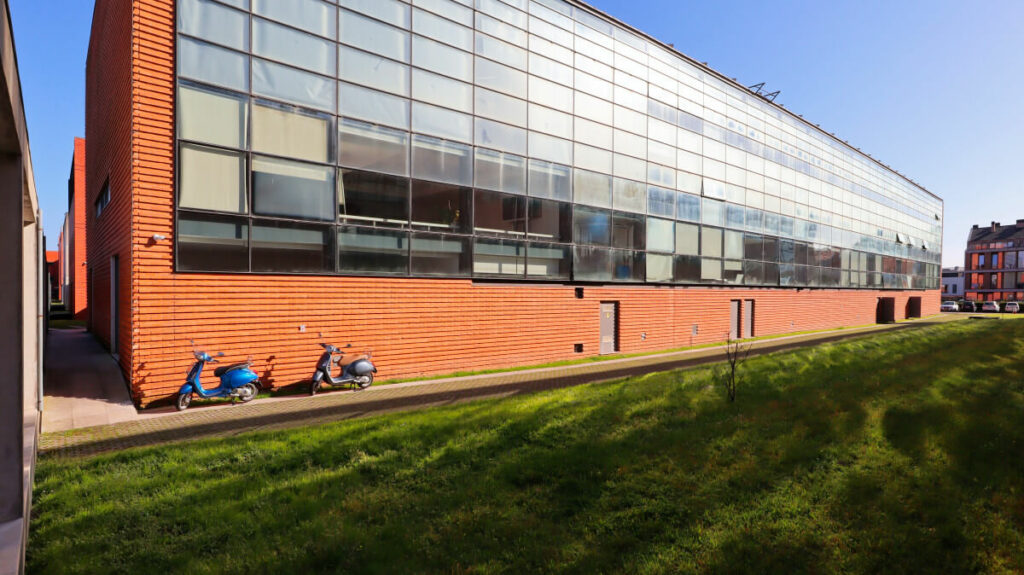
(Adalberto Dias, University of Aveiro Image by Ben)
Meanwhile, Portugal’s bid to host UEFA Euro 2004 led to a boom in sports infrastructure.
One of the highlights is the Stadium of Braga, designed by Eduardo Souto de Moura — a bold fusion of a stone quarry and a football stadium.
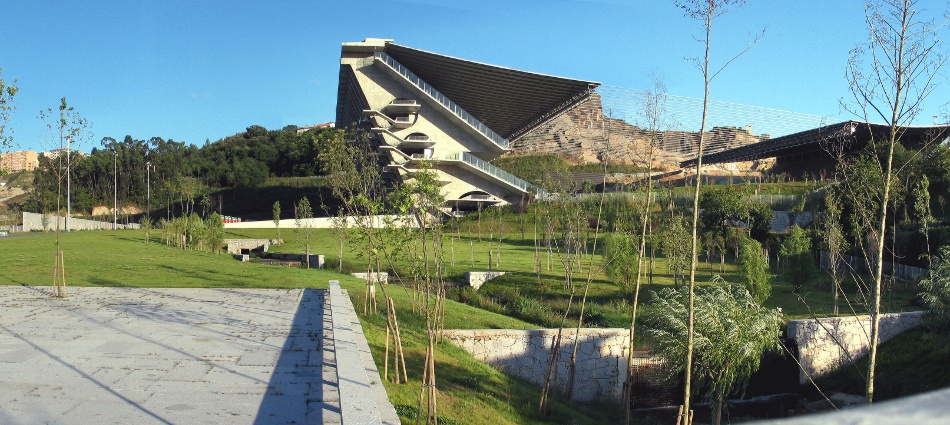
(Braga Stadium, Image by 準建築人手札網站 Forgemind ArchiMedia (Wikipedia))
Even the Bom Sucesso Resort, a visionary project near Óbidos with 23 Portuguese architects designing 600 houses, was born in this era of optimism.


4. TROIKA (2004–2013): Crisis and Creativity
The 2008 global financial crisis hit Portugal hard.
Under the strict supervision of the Troika (European Commission, ECB, and IMF), the country entered years of austerity.
This had a devastating effect on architecture: public investments stopped, many firms closed, and big projects disappeared.
But hard times also brought new creativity.
Architects focused on small-scale, sustainable, and adaptive reuse projects — often smarter, more sensitive, and community-focused.
Sadly, even big developments like Bom Sucesso Resort faced bankruptcy.
Still, there were bright moments: in 2011, Eduardo Souto de Moura received the Pritzker Prize, following in the footsteps of his mentor Siza Vieira — once again bringing international recognition to Portuguese architecture.
5. WI-FI (2014–2023): Digitalization and Sustainability
Today, Portuguese architecture is fully plugged into global trends: smart technologies, environmental responsibility, and cultural sensitivity are front and center.
After the crisis, European funding helped Portugal recover, leading to new infrastructure projects and cultural initiatives all over the country.
Architects embraced sustainability, regional development, and innovation — while also facing growing challenges like housing shortages and tourism pressure.
Some of the boldest recent works include the Arquipélago Contemporary Arts Centre in the Azores, the restored Bolhão Market in Porto, and the Campanhã Intermodal Terminal.
In the wine and olive oil sectors, new spaces like Adega Azores Wine Company and Adega 23 have blended architecture, sustainability, and tourism.
A new generation of architects is pushing the boundaries too, with smaller but powerful projects like Six Houses and a Garden by fala atelier and House Over the Hills by Diogo Aguiar Studio.
Final Thoughts
Looking at the past 50+1 years, it’s clear that architecture in Portugal has never just been about buildings.
It’s about democracy, community, creativity, and resilience — from the dreams of 1974 to today’s smart and sustainable designs.
If you ever have the chance to visit Casa da Arquitectura in Matosinhos, I highly recommend it. This exhibition goes till September 2025
It’s a journey through history, but also a window into the future.
I hope you enjoyed the time travel,
Ben
Portugal Modern is proud to announce that we’ve received a rare set of original photographs and 3D model images from architect João Pedro Falcão de Campos, documenting his project at Bom Sucesso Resort.
Falcão de Campos is known for his minimalist and highly functional approach to design. With over 30 years of architectural practice, his work balances modernist clarity with a deep sensitivity to context, light, and material. He has collaborated with giants of Portuguese architecture, including Álvaro Siza Vieira and Gonçalo Byrne, and continues to shape contemporary architectural discourse.
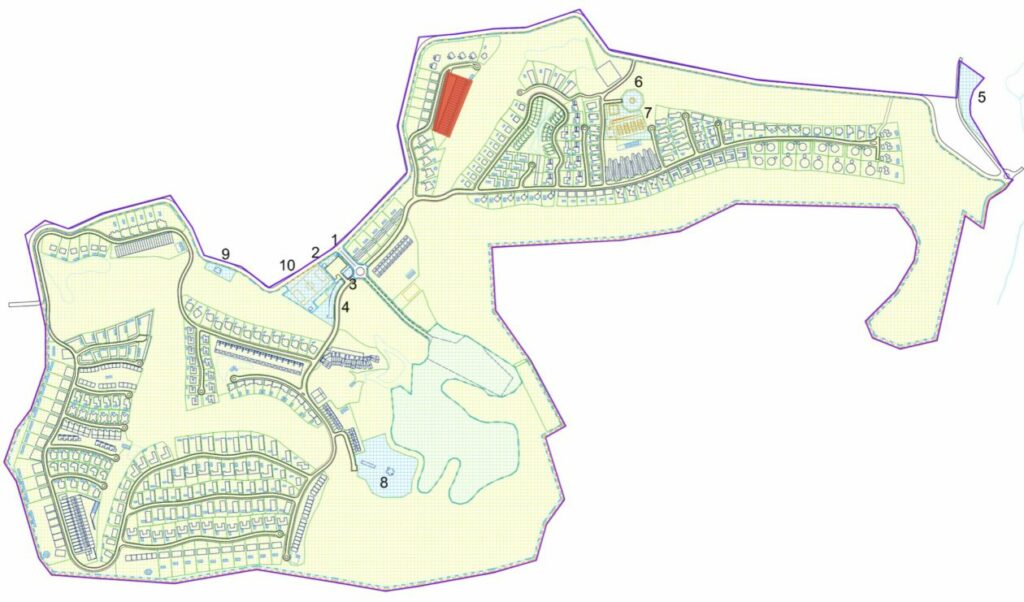
His contribution to Bom Sucesso—23 terraced T2 houses on Lot 287 along Caminho do Lago—stands as a masterclass in terrain integration and spatial economy. Built across three levels to follow the natural slope of the land, these homes are defined by a rhythmic play of courtyards, generous light, and precise sightlines over the golf course. As Falcão de Campos notes:
“The succession of courtyards that characterizes the project allows the houses to receive light from various directions, contradicting the band, generally exposed only on two elevations.”
We’re honored to share his documentation—now available exclusively on PortugalModern.com—offering a rare glimpse into the design process and spatial logic behind one of the resort’s most thoughtful ensembles.
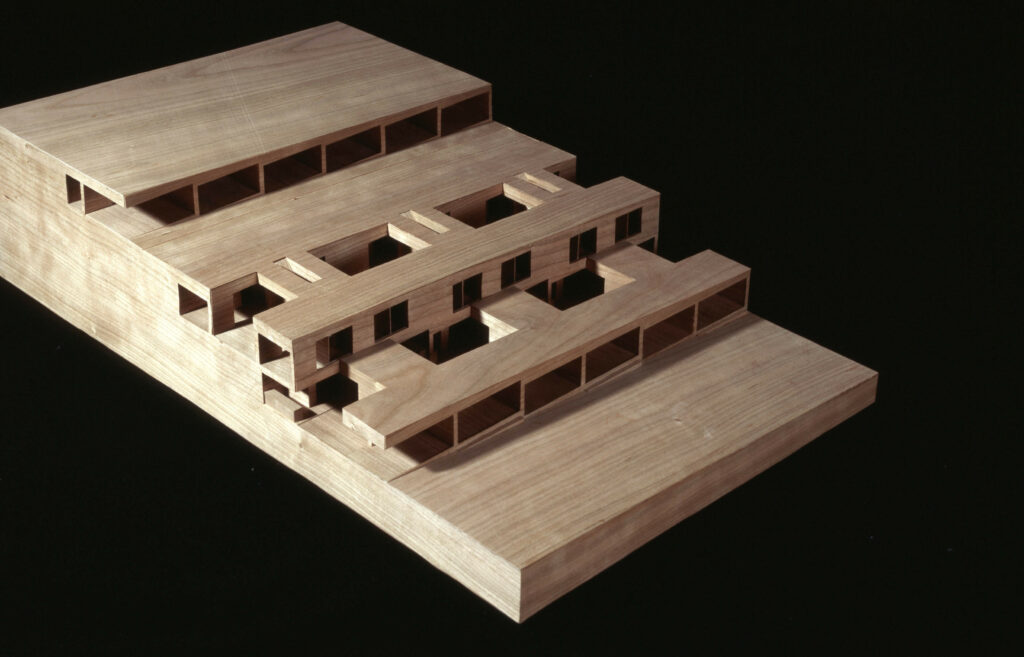
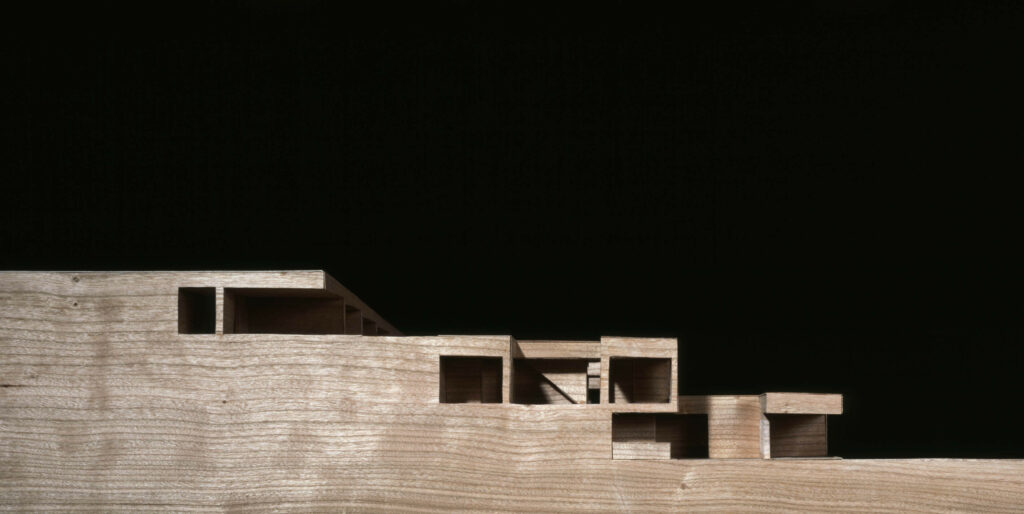
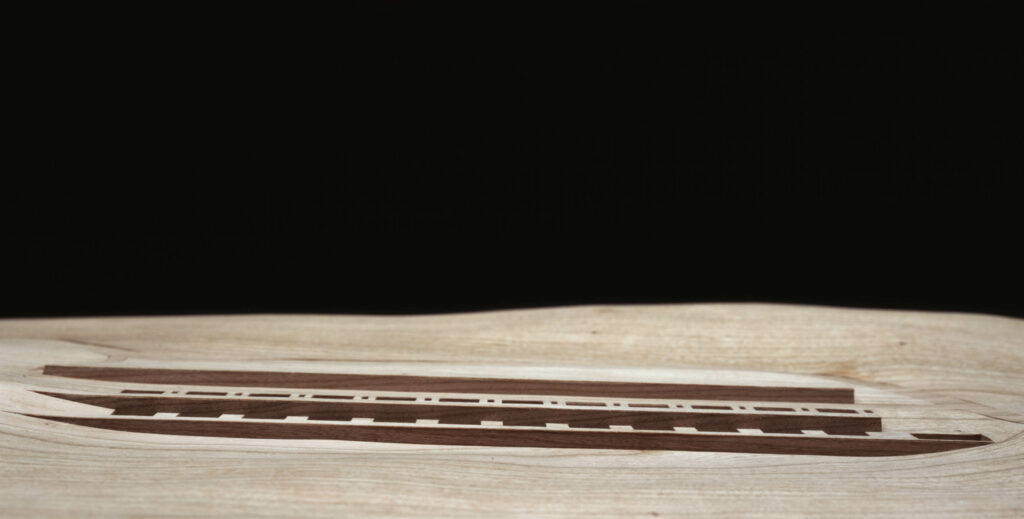
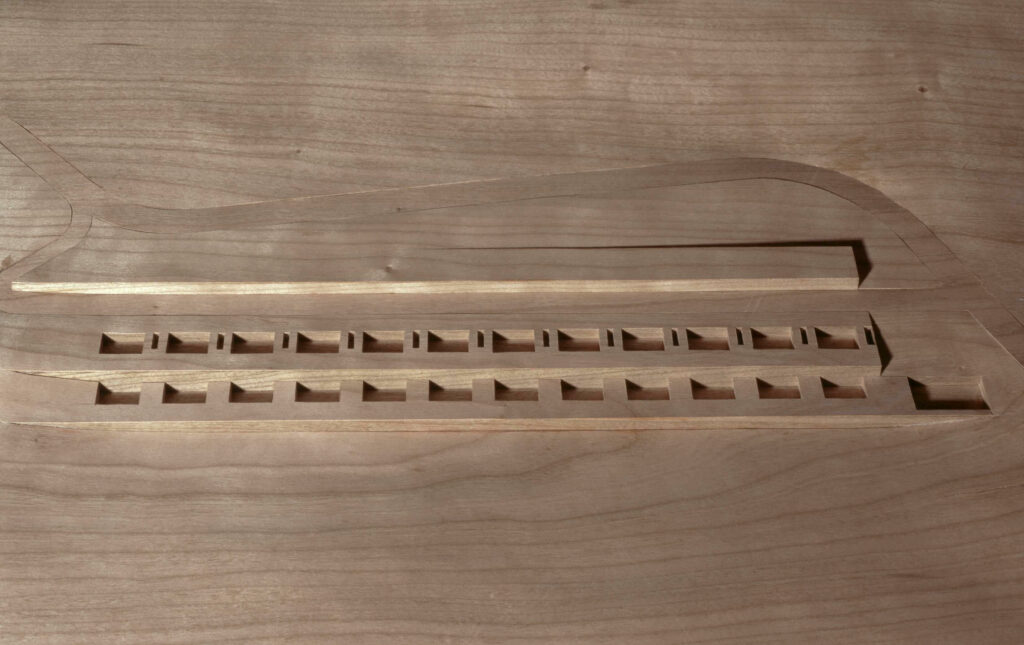
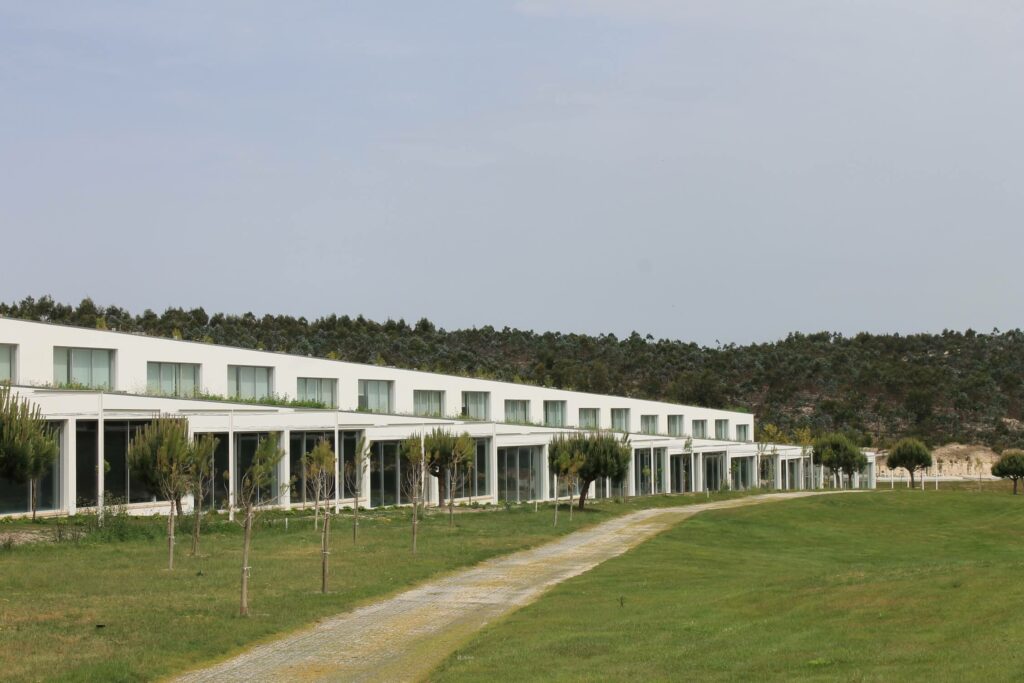
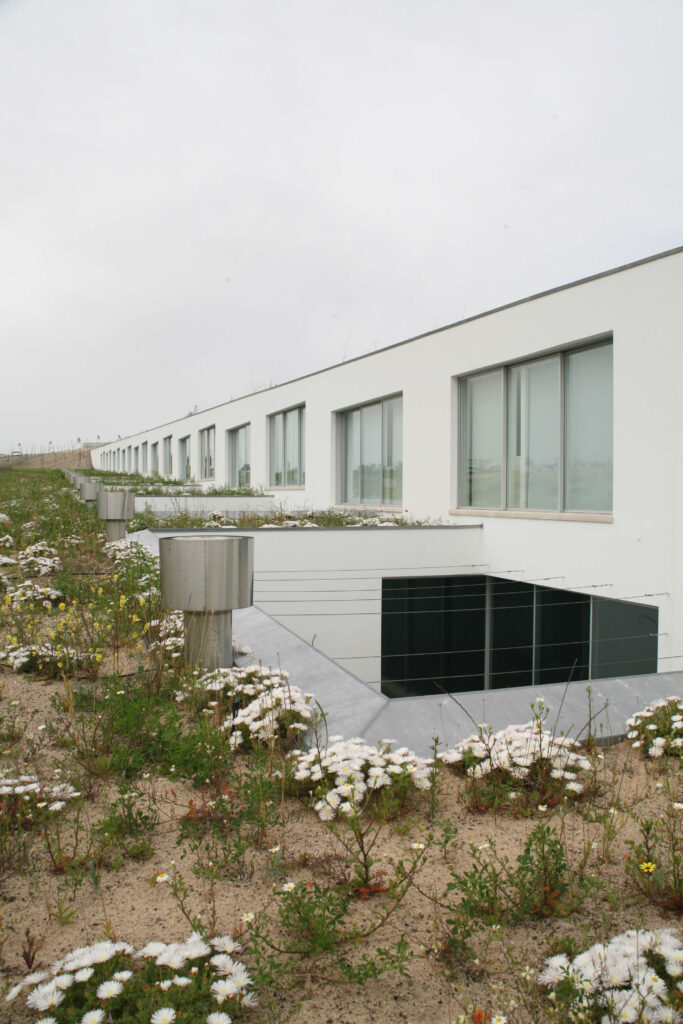
We thank Falcão de Campos and Team for kindly sharing these images with us.
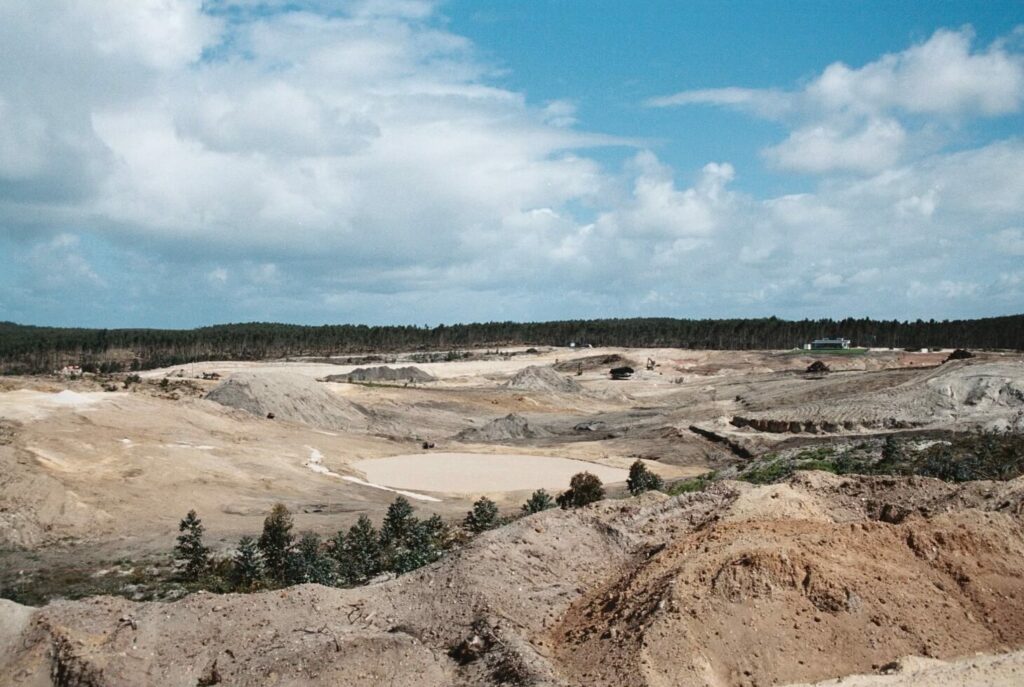
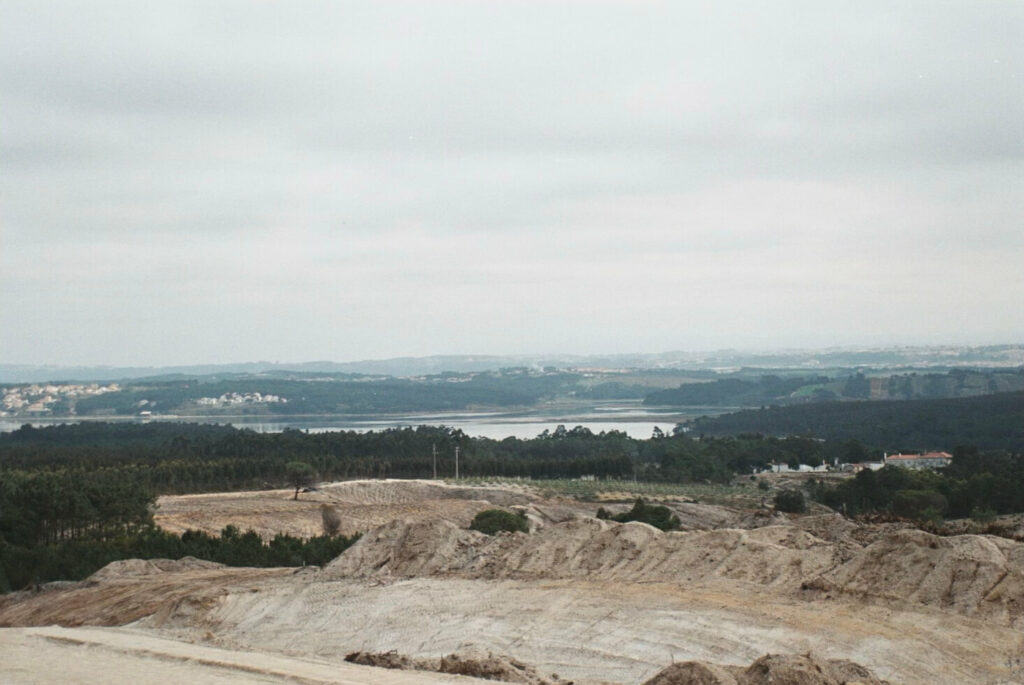
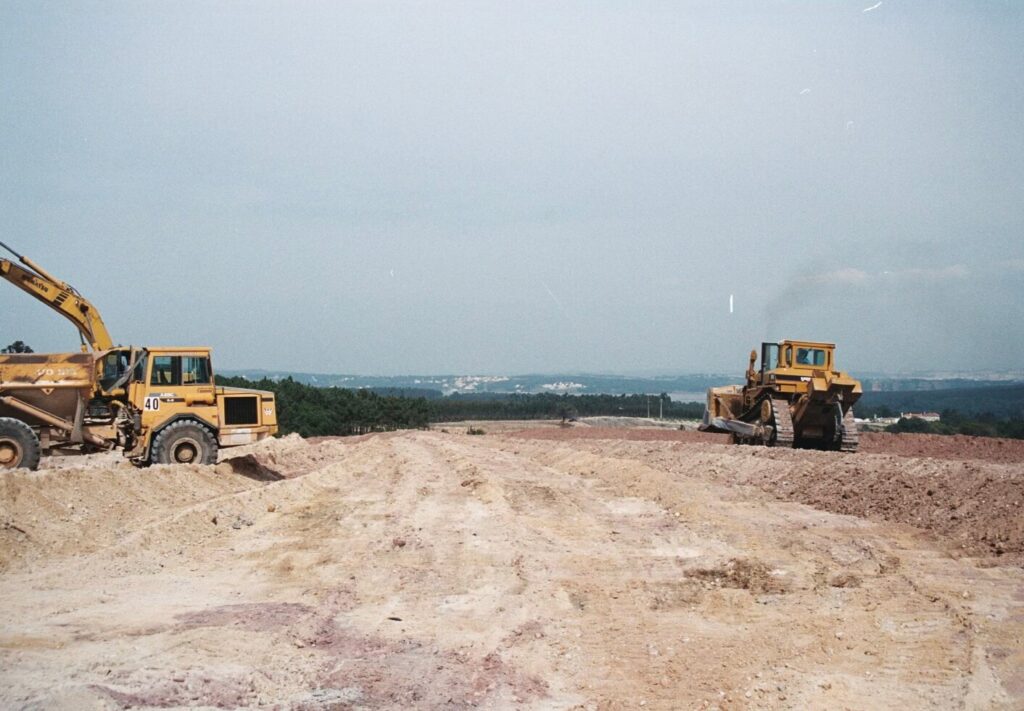
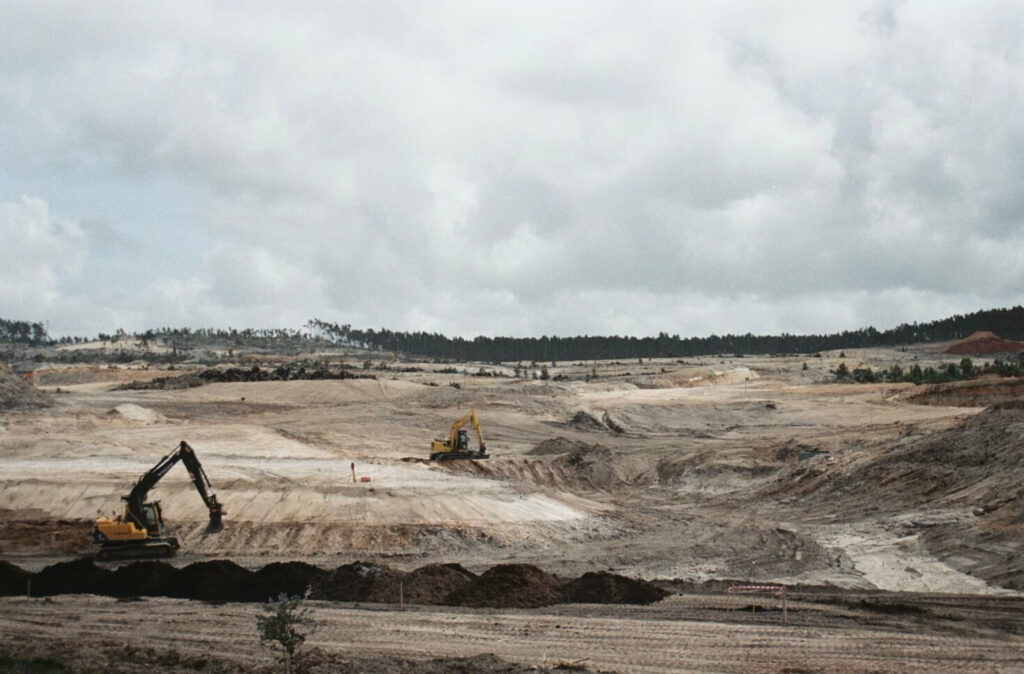
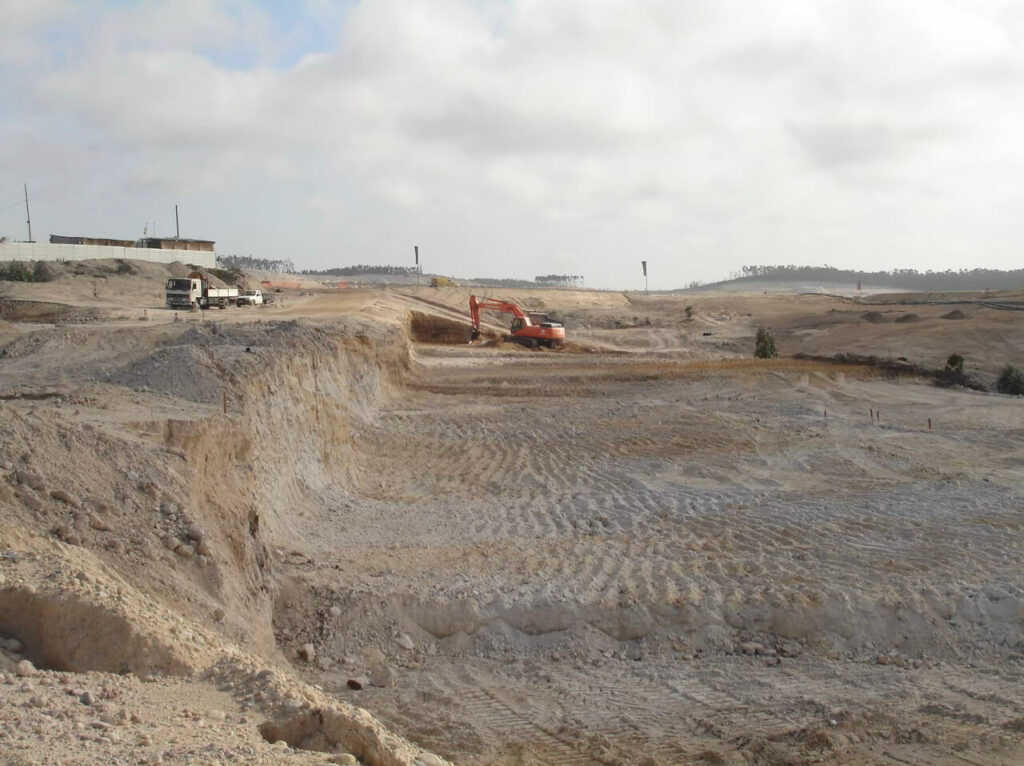
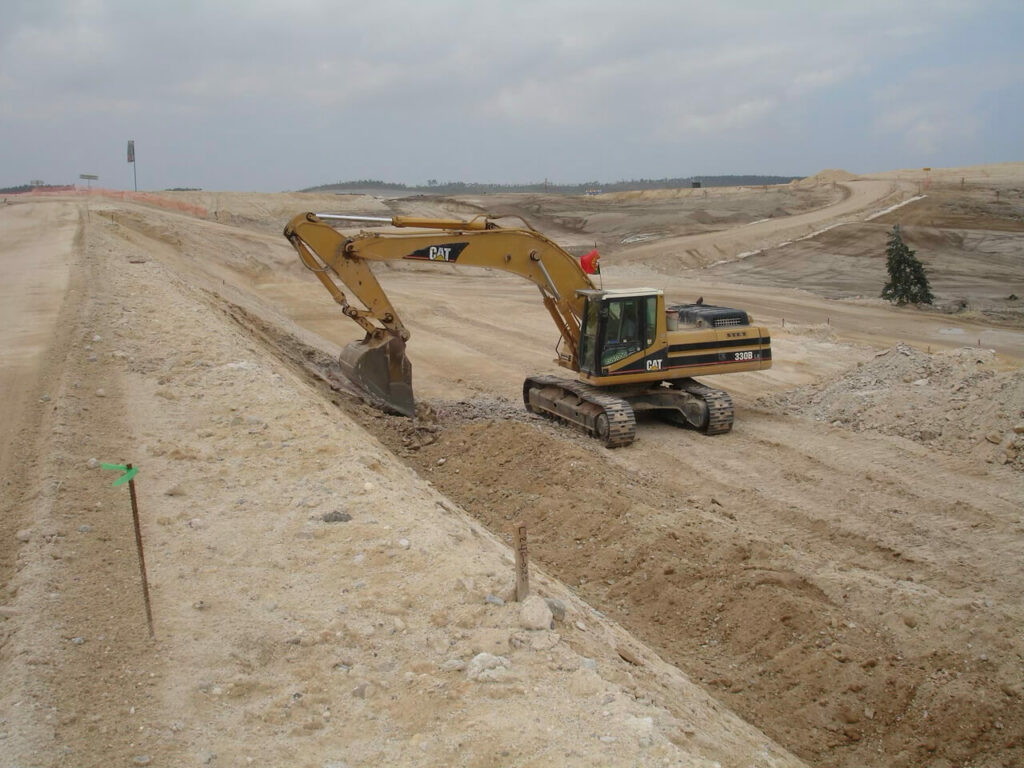
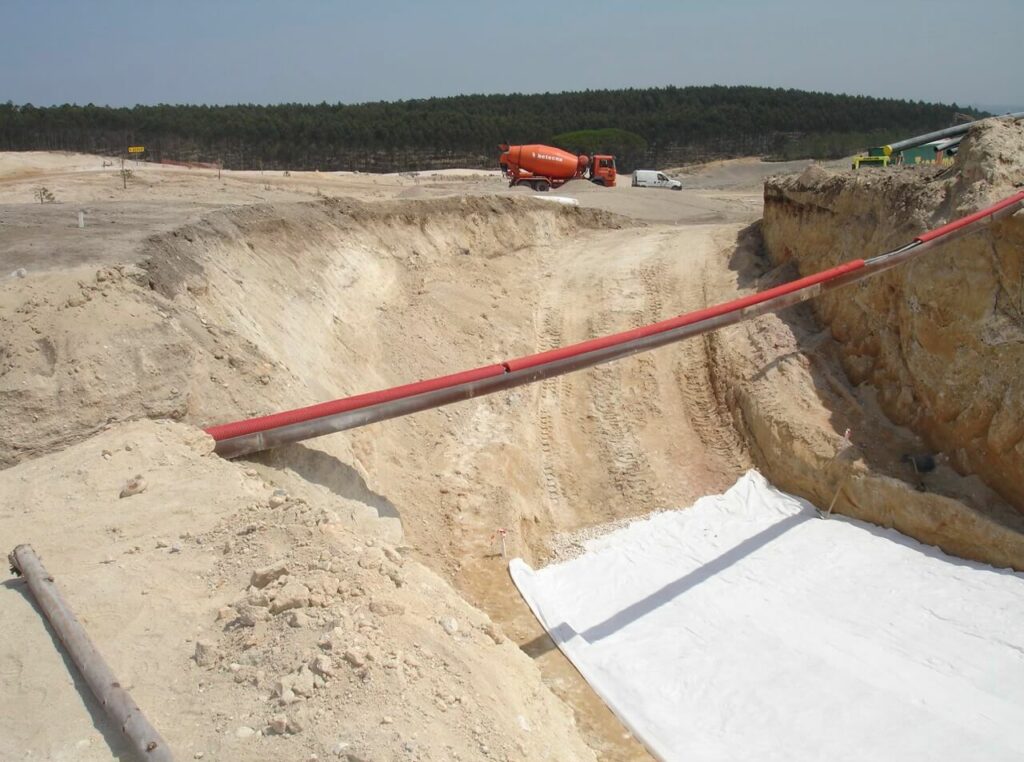
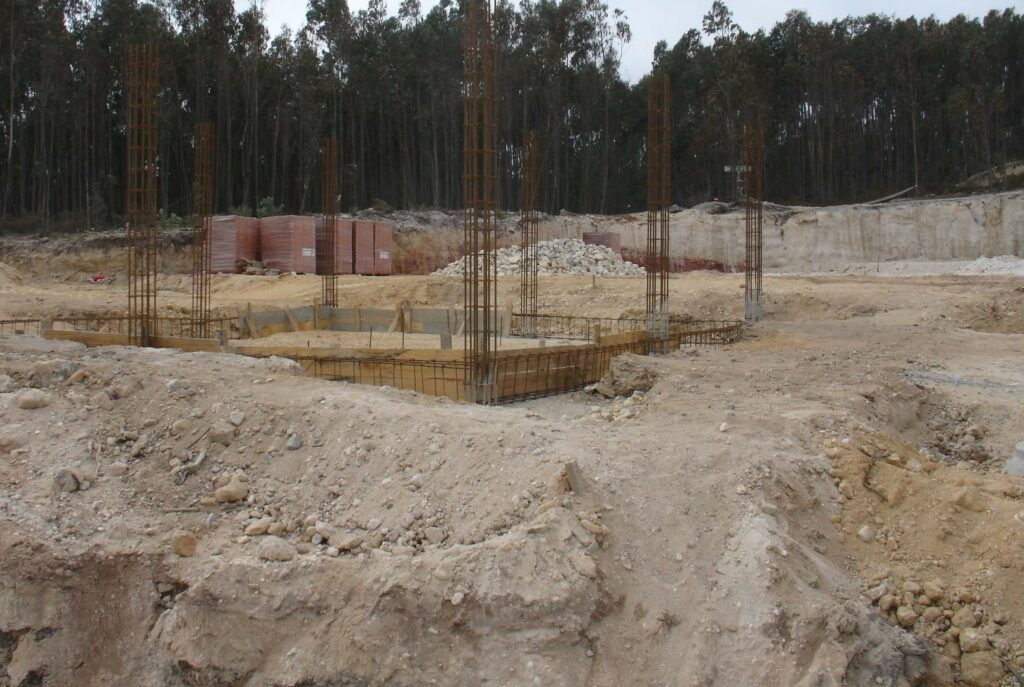
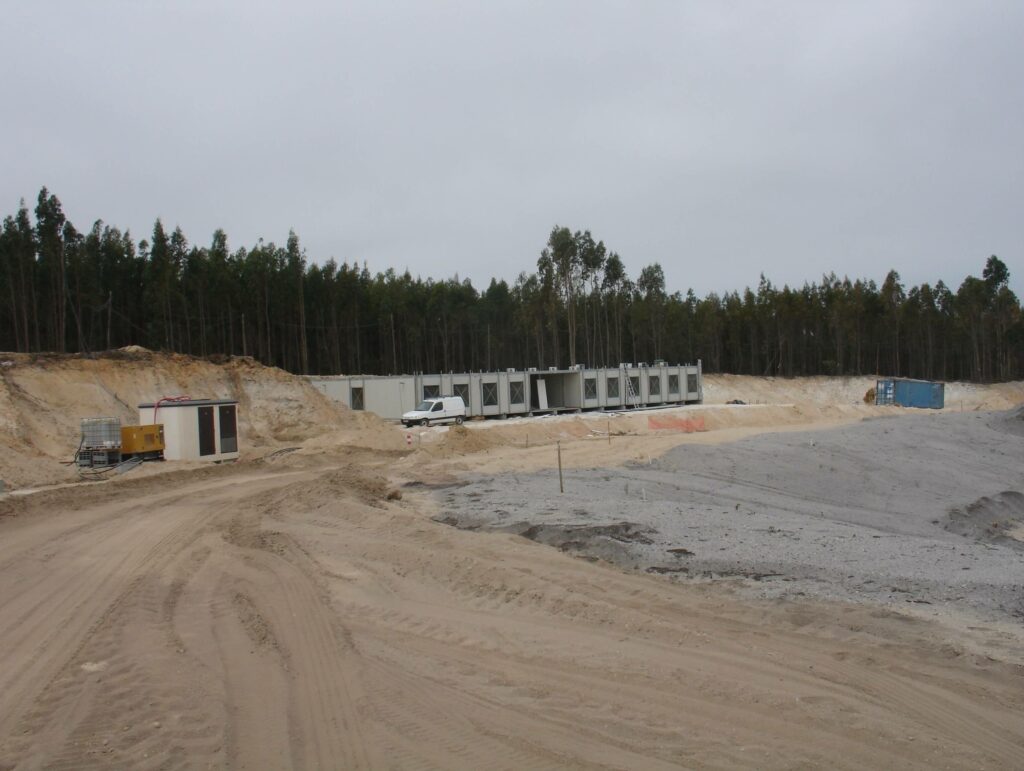
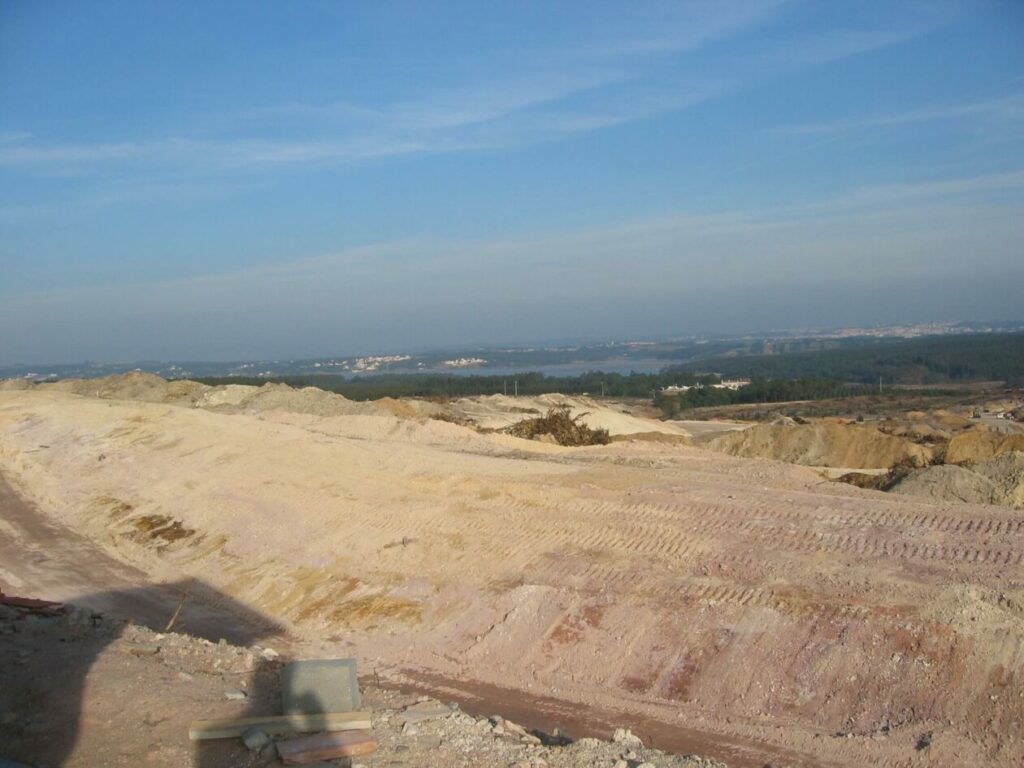
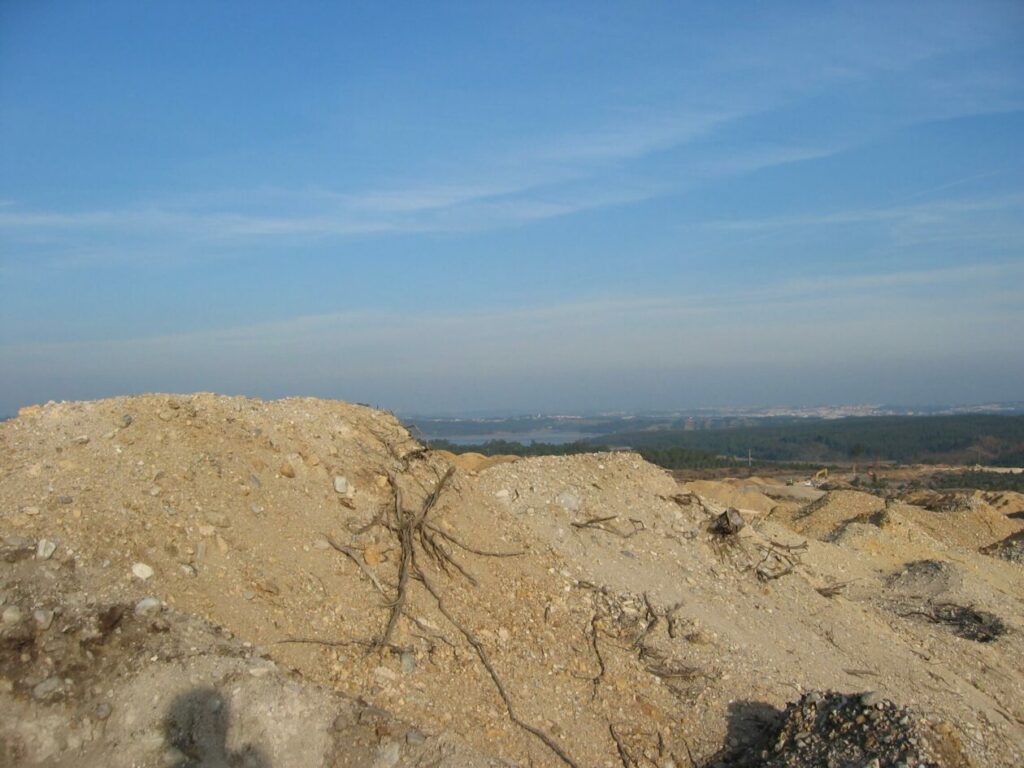
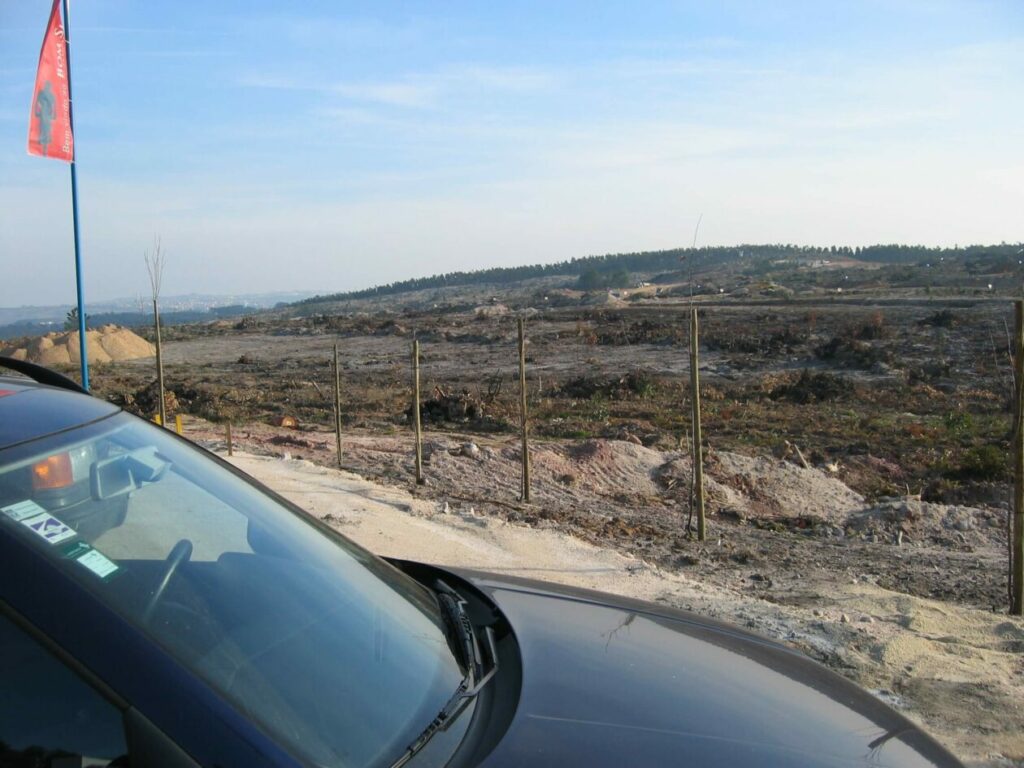
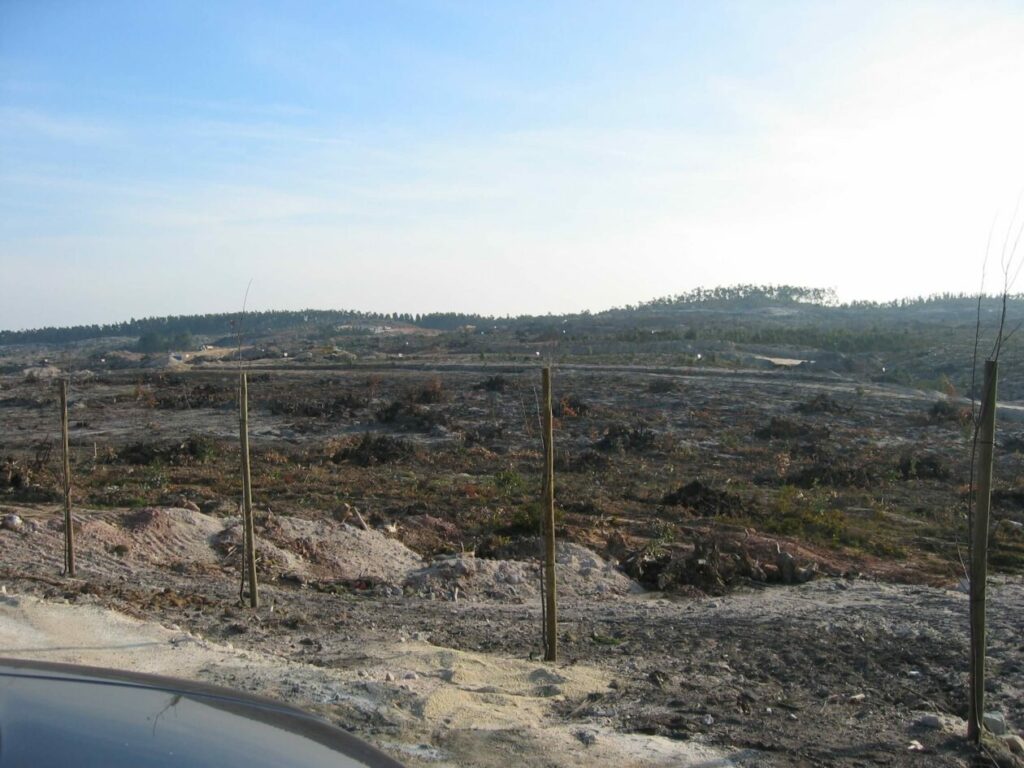
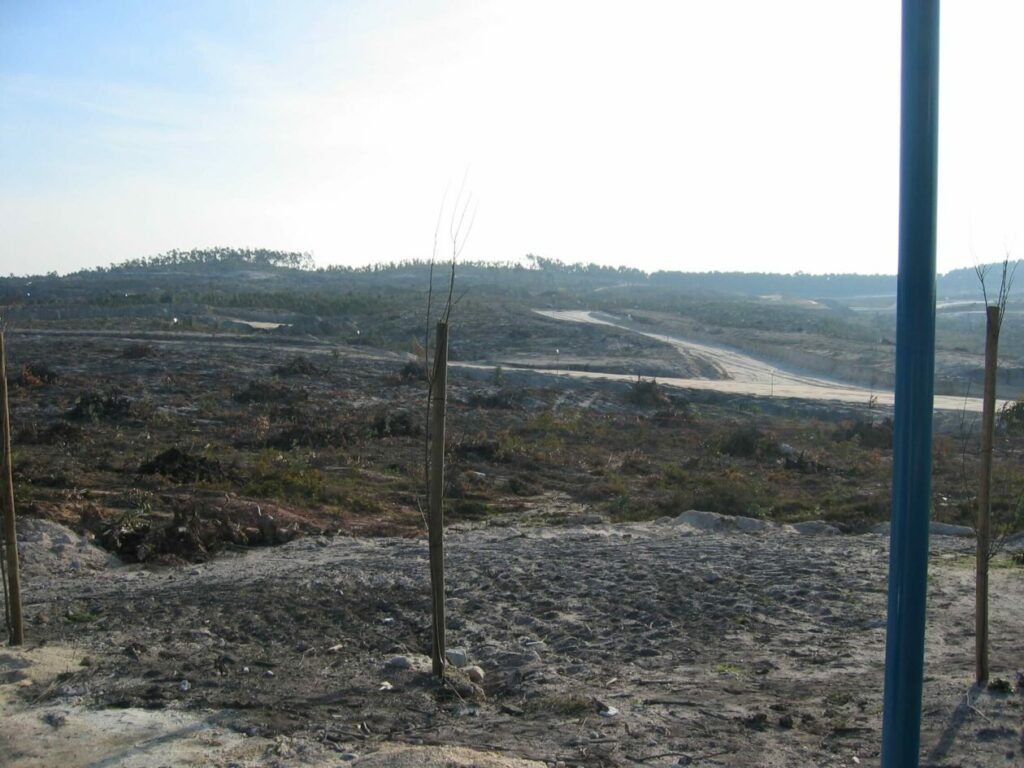
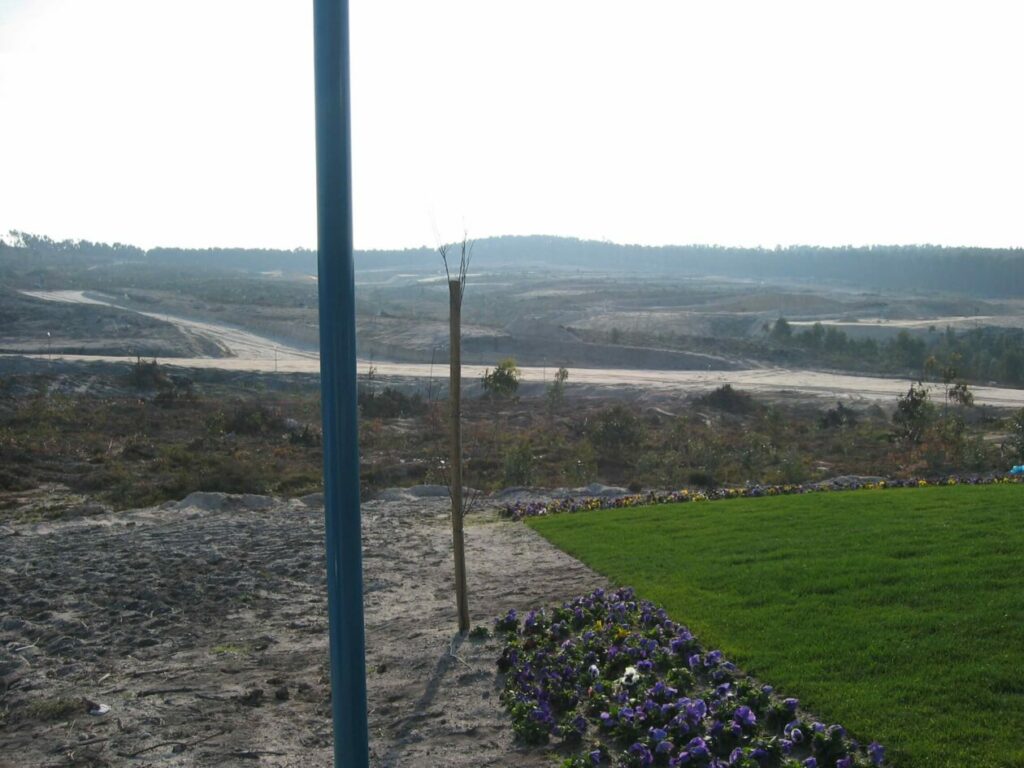
From early owners at Bom Sucesso Resort, I received some amazing photos showing what this place looked like around 20 years ago. I thought it would be fun to share them with you — and for some of them, I’ve added pictures of what the same spots look like today.
At that time, only the sales pavilion had been built — maybe some of you visited back then, standing in the middle of all that dust, trying to imagine what would one day rise around you.
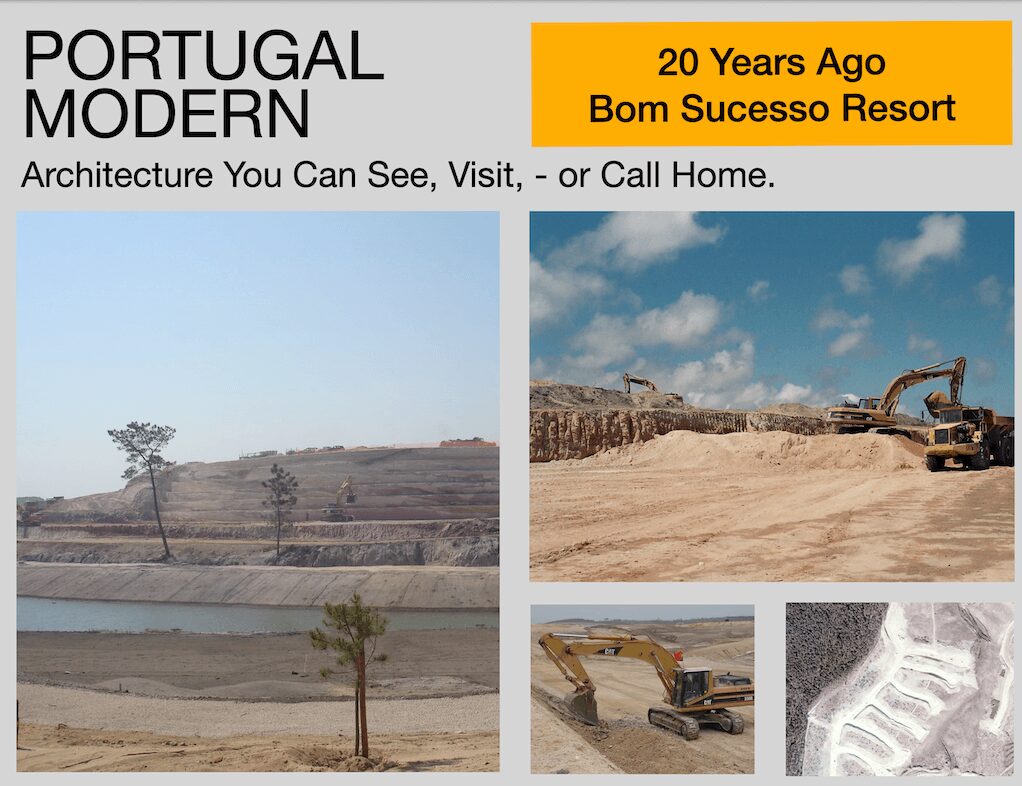
There was no Álvaro Siza, no David Chipperfield, no green fairways or paved streets. Just sand, rocks, trenches — and the vision to create “the largest living and permanent exhibition of private, contemporary architecture.”
Some of the architects who helped prepare the land told us it looked “like the surface of the moon.” Hard to imagine now, right? There weren’t many trees here either.
Since then, Bom Sucesso Resort has transformed its landscape by planting over 15,000 trees, including more than 2,000 ancient olive trees, some of which are over a thousand years old. Pines and other native species now define the character of the resort, making greenery a central part of everyday life. Remarkably, only seven percent of the 160-hectare site is occupied by new construction, preserving the natural setting that makes this place so unique.
A Dusty Beginning at Bom Sucesso Resort
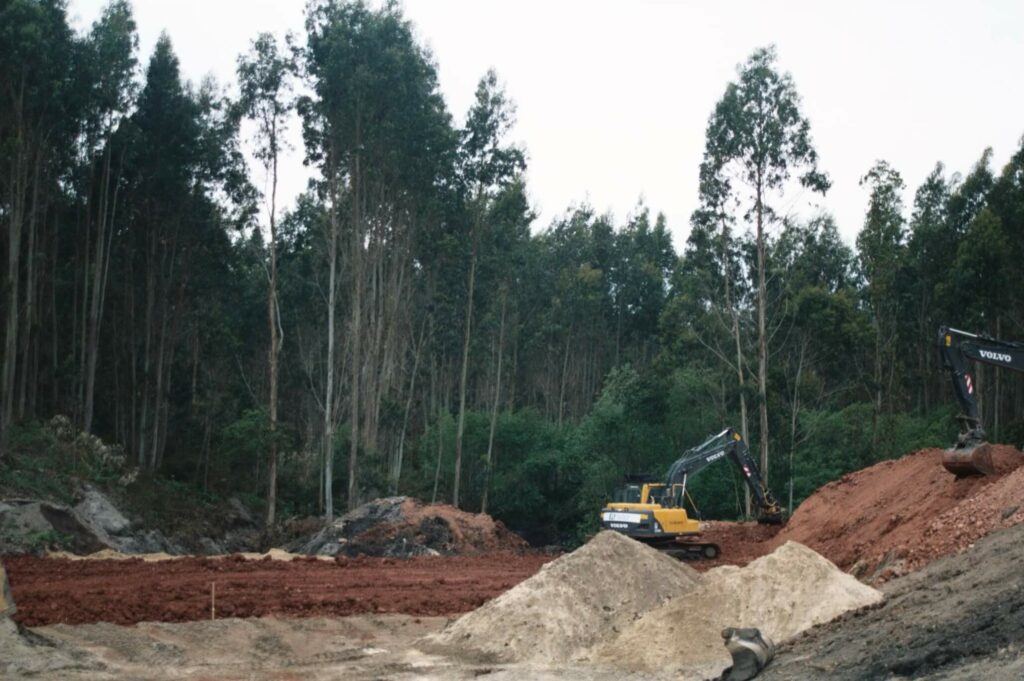
When construction began in 2004–2005, Bom Sucesso Resort was nothing but rugged terrain. All roads were still raw paths. The lake near the Clubhouse was just a clay pit. Everything had to be built from scratch — including the entire network of streets, lakes, golf holes, and utility systems.
Why an Archaeologist Was on Site at Bom Sucesso Resort
Because Bom Sucesso Resort borders the Óbidos Lagoon — a historically rich area — every trench had to be monitored by an archaeologist. Over two years of excavation, two small ceramic fragments were found.
– A yellow-glazed shard near what is now Golf Hole 4
– A green-painted fragment near Golf Hole 6
These were the only finds during two years of archaeological monitoring. No significant remains were discovered, but the team stayed alert — just in case the ground had more stories to tell.
How the Golf Courses at Bom Sucesso Resort Were Built
The stunning fairways we see today? They began with shallow irrigation ditches and deep earthworks. Golf holes were carefully carved into the landscape, with soil moved and reshaped meter by meter. Clay taken from on place helped form the base of lakes at another place. It was pure landscape engineering.
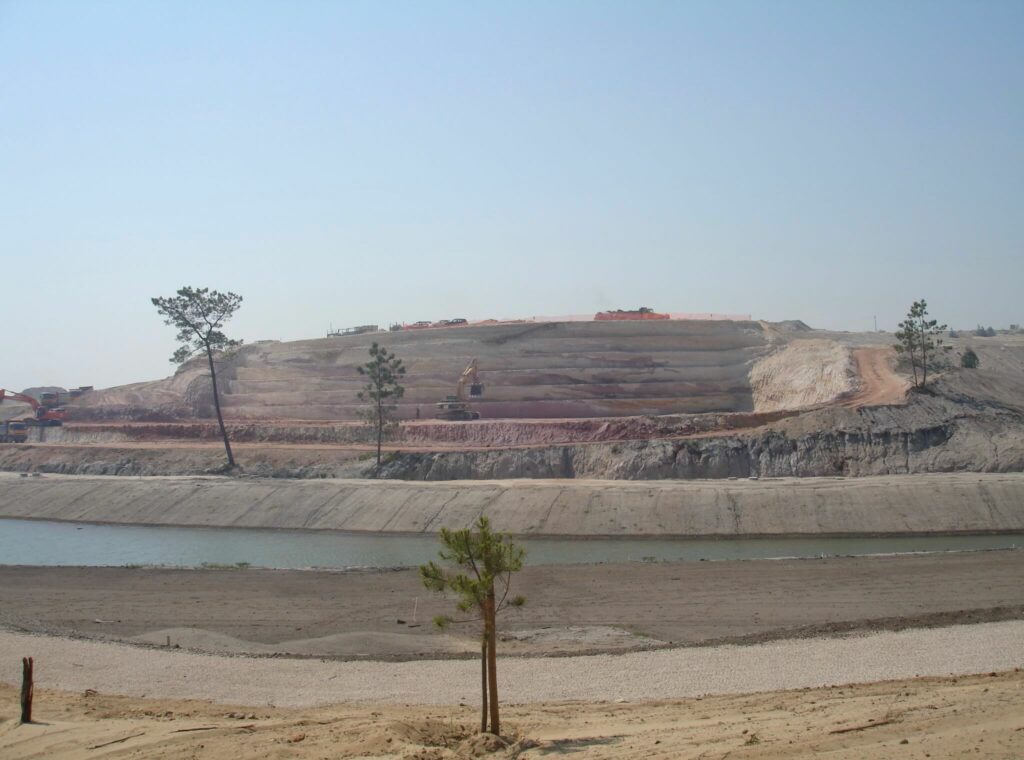
Bom Sucesso Resort: Built Lot by Lot, Street by Street
Everything in the resort was shaped by hand and machine:
• Streets were leveled and widened
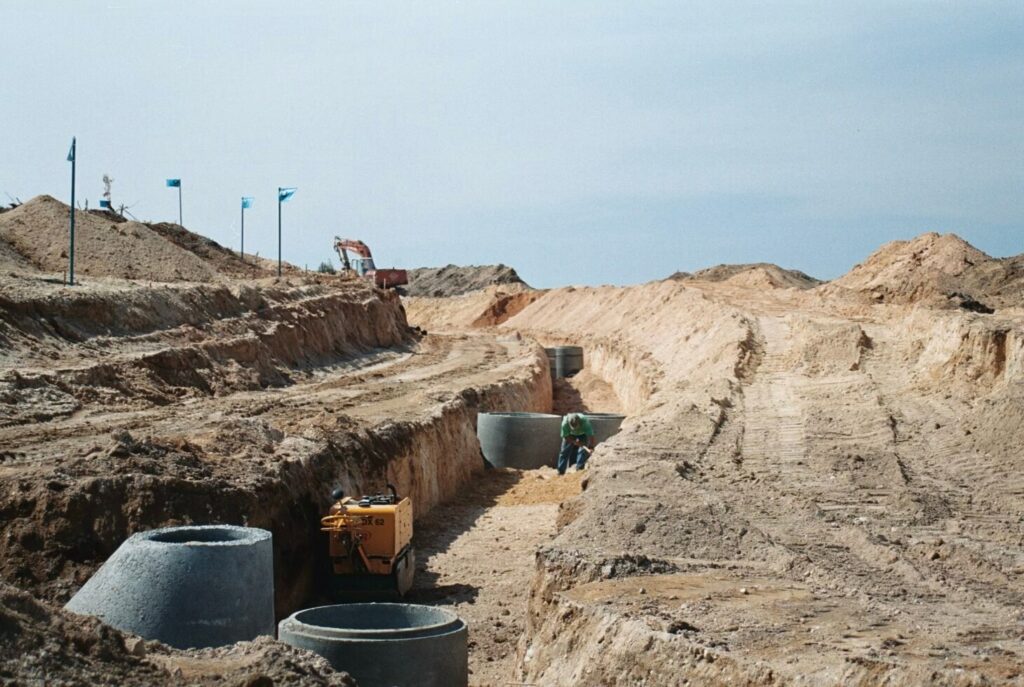
• Drainage and specialty networks were installed
• Slopes were adjusted to manage rainwater and irrigation
• And plots were carved out one by one, often in challenging conditions
5 Behind-the-Scenes Facts from the Early Days at Bom Sucesso Resort
1. Bom Sucesso was built with serious earthworks
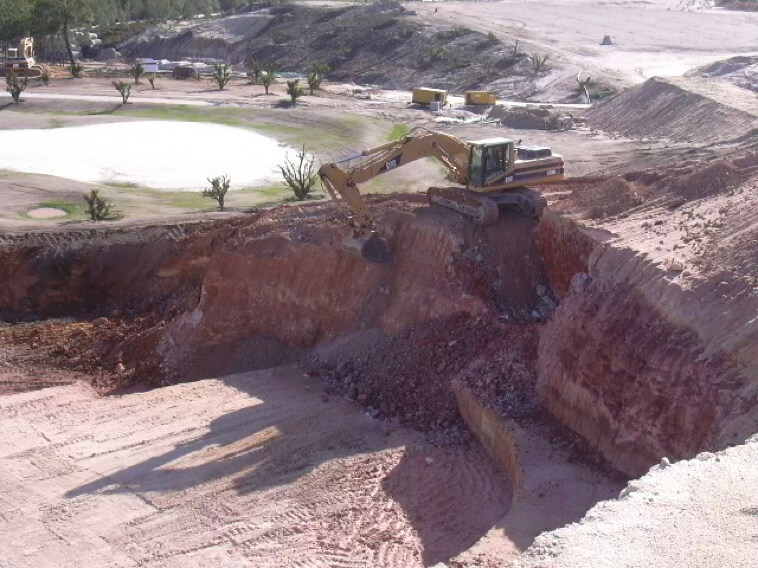
Some areas were excavated up to 10 meters deep to level the terrain and prepare for construction. This wasn’t just landscaping — it was full-scale land reshaping. Imagine standing at street level today and knowing the earth below you was completely reworked by machines 20 years ago.
2. The lakes at Bom Sucesso are man-made and engineered from clay
Lakes were carefully carved into the landscape and built using local clay extracted from other areas of the Resort, to form the lake banks and seal the ground.
3. Some parts of the site at Bom Sucesso were so muddy, work had to stop
Rainy weather sometimes turned work sites into impassable mud zones, especially near Lake at Golf Hole 3 and the access road. The construction teams even had to pump out water in places and use gravel or sand just to move equipment.
4. Early infrastructure at Bom Sucesso was built before most houses existed
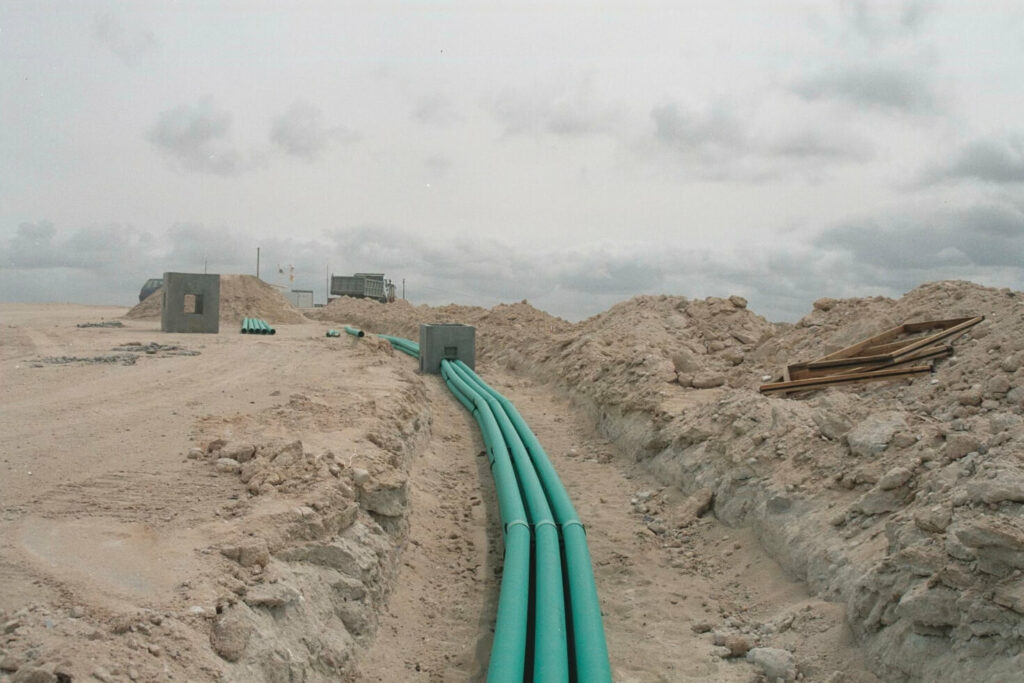
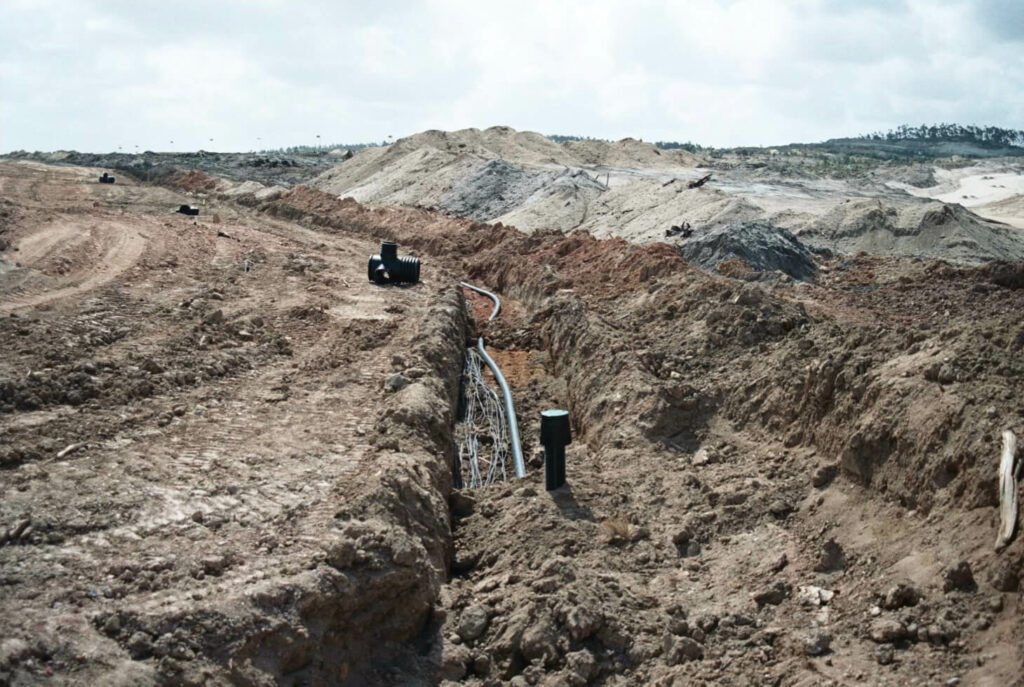
Even before homes were started, specialty networks like gas, electricity, water, and telecom lines were being laid underground. These systems were installed along raw, unpaved roads — long before the first villas were built.
5. There’s a heliport at Bom Sucesso — and it had to be blasted into shape
The area for the heliport, near the Tennis club, required blasting and leveling. The earth removed was repurposed for other parts of the resort.
Then and Now: The Evolution of Bom Sucesso Resort
Today, it’s hard to imagine Bom Sucesso Resort without its elegant homes, quiet streets, and mature landscaping. But these photos tell a different story — a story of effort, vision, and raw transformation.
Scroll through the gallery below to see the difference. For some early photo, I’ve added current image of what the same location looks like today. You might just recognize your street or backyard.
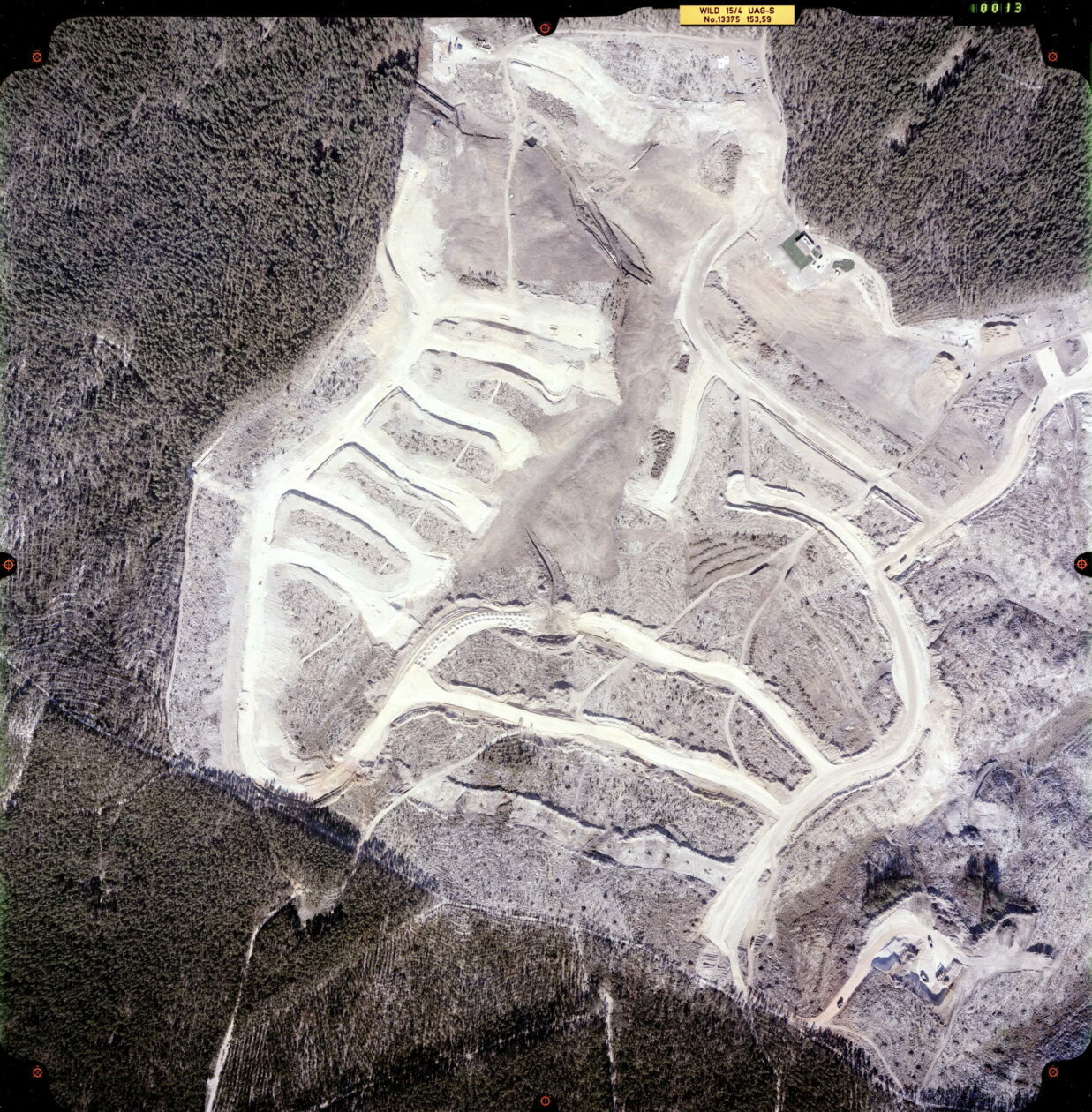
Bom Sucesso Resort Phase I Satellite Picture 20 Years Ago
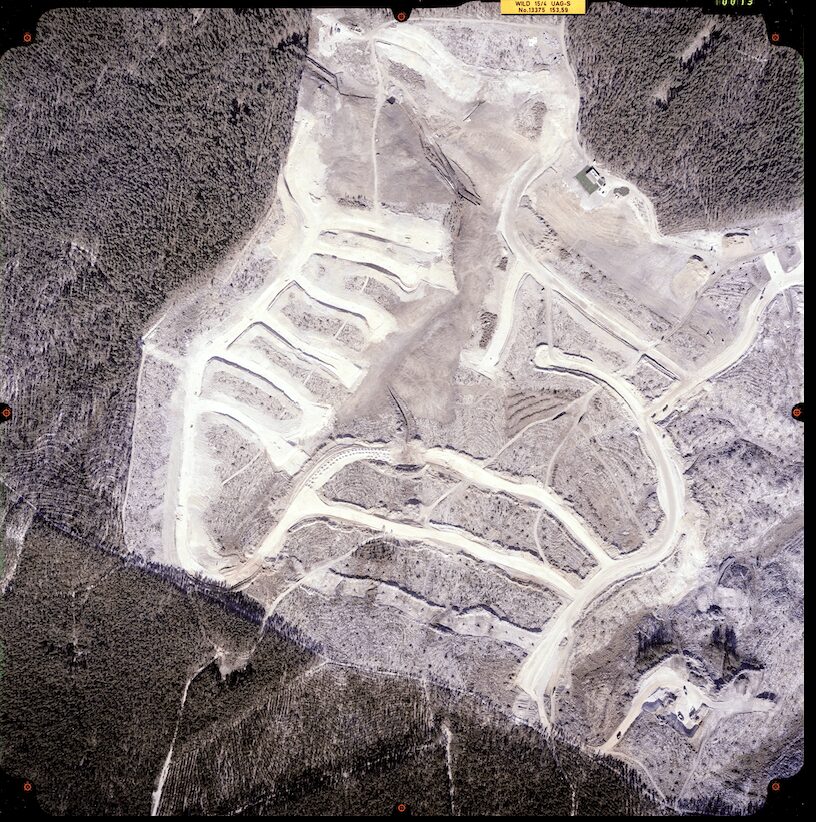
A high-resolution satellite image from that time is also available — you can download it here to explore Bom Sucesso Resort as it looked in the very beginning.
Bom Sucesso Resort Golf Hole 3 and Volta do Lago — Today vs. 20 Years Ago


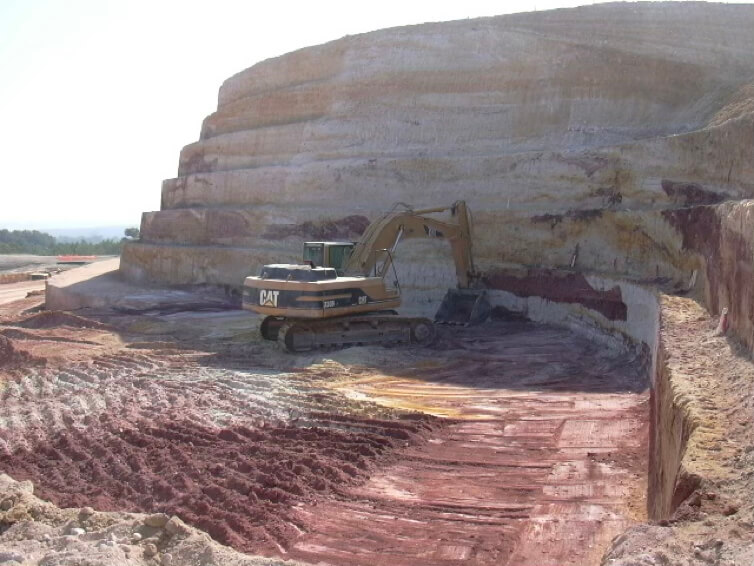
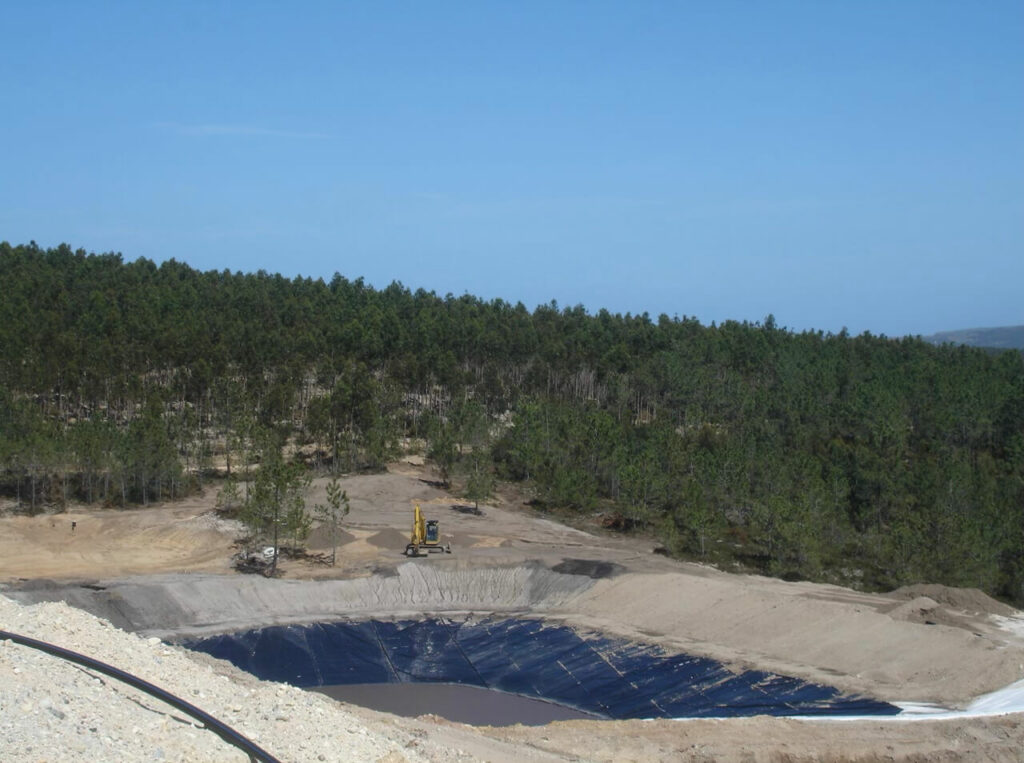
Bom Sucesso Resort Phase 1 — View from R. Alta do Monte Verde: Today vs. 20 Years Ago

Nuno Graça Moura’s 24 Row Houses at Bom Sucesso Resort — Today vs. 20 Years Ago ( I assume it is this location)

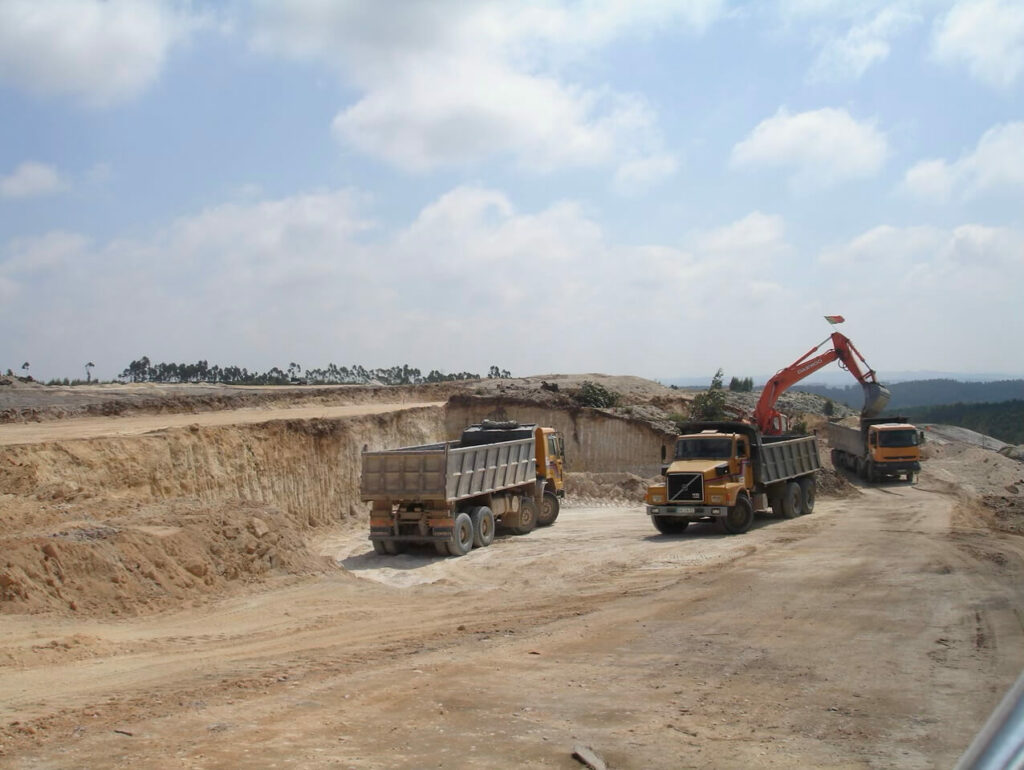
Lake at Golf Hole 13, Eduardo Souto de Moura‘s 6 Red Lake side Villas at Bom Sucesso Resort – Today vs. 20 Years Ago

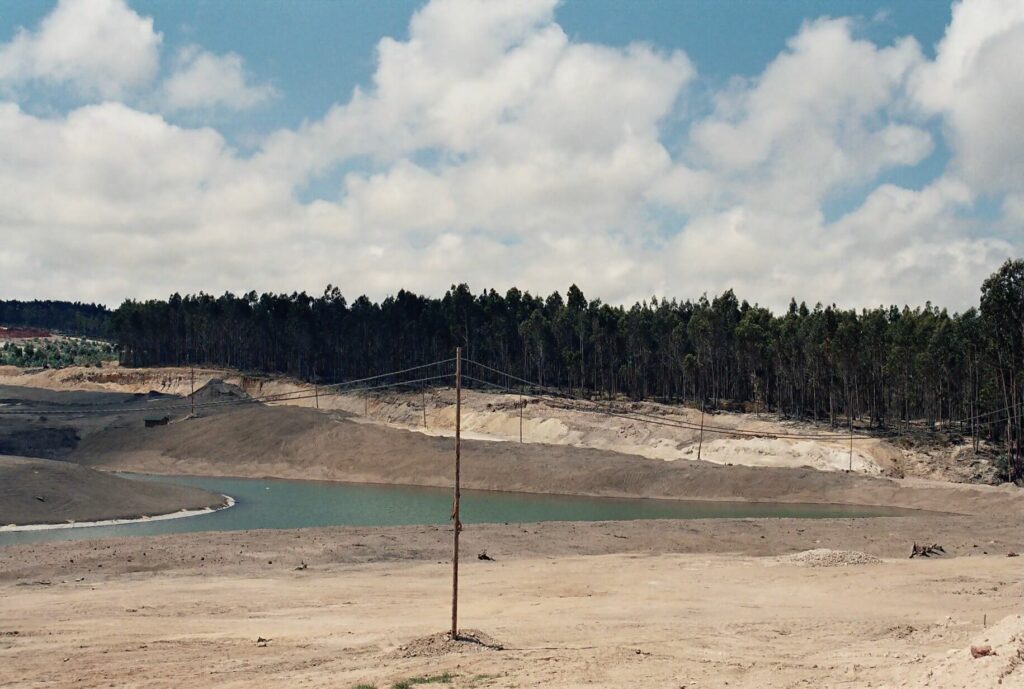
View From Bom Sucesso’s Tennis Court – Today vs. 20 Years Ago

View from R. Bela, Bom Sucesso Phase II Today vs. 20 Years Ago

View to Phase I at Bom Sucesso Today vs. 20 Years Ago

Can you identify where these picture are taken at Bom Sucesso Resort ?
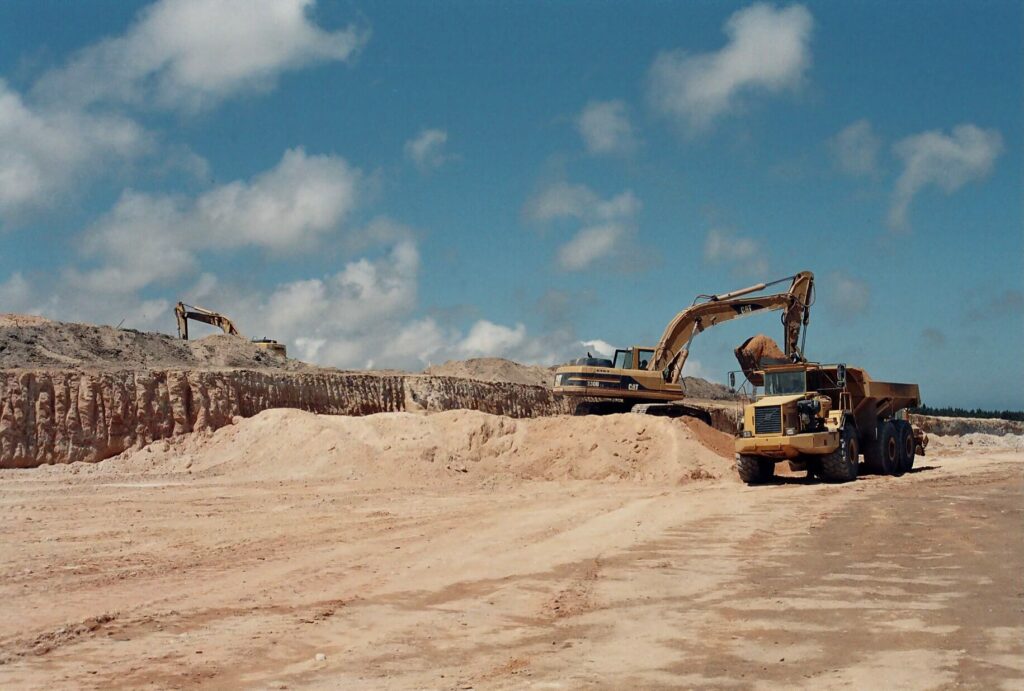
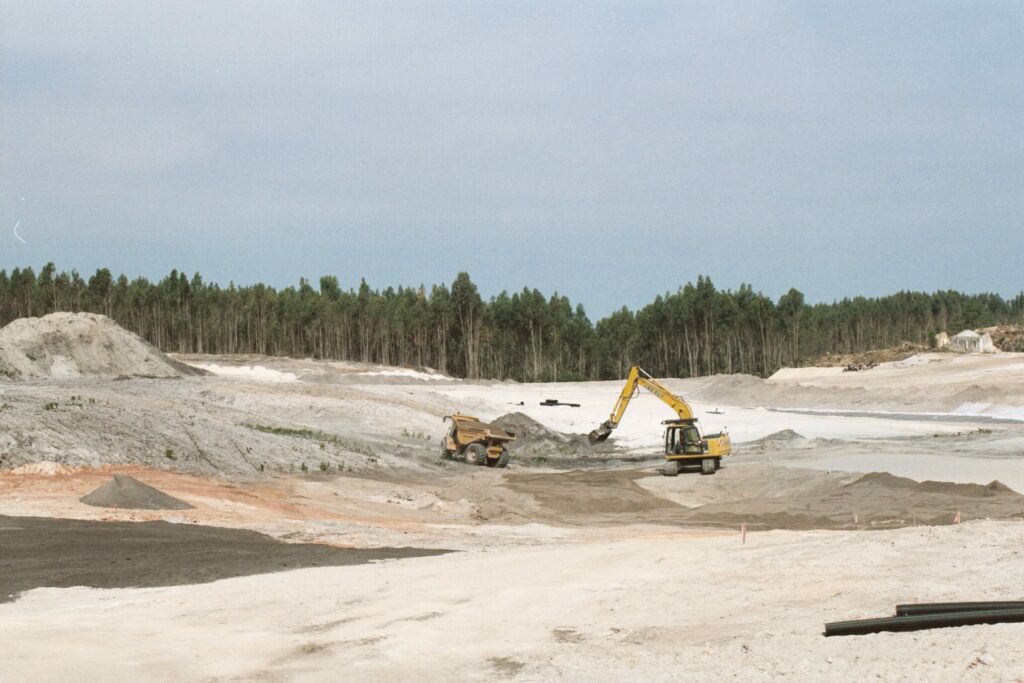
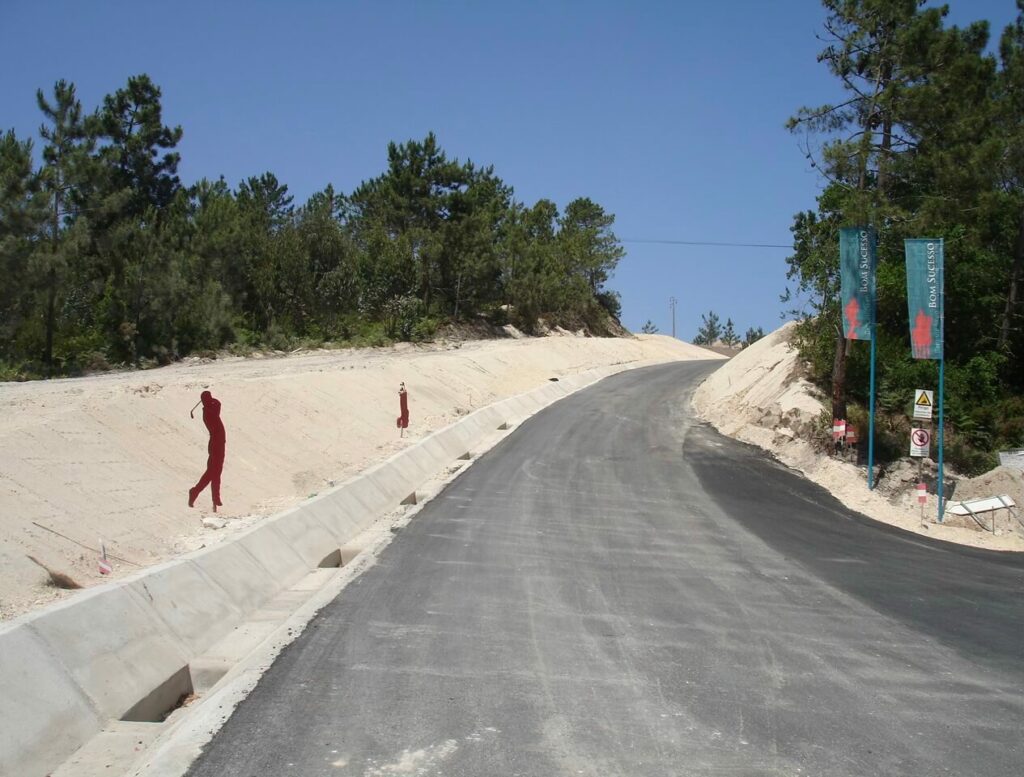
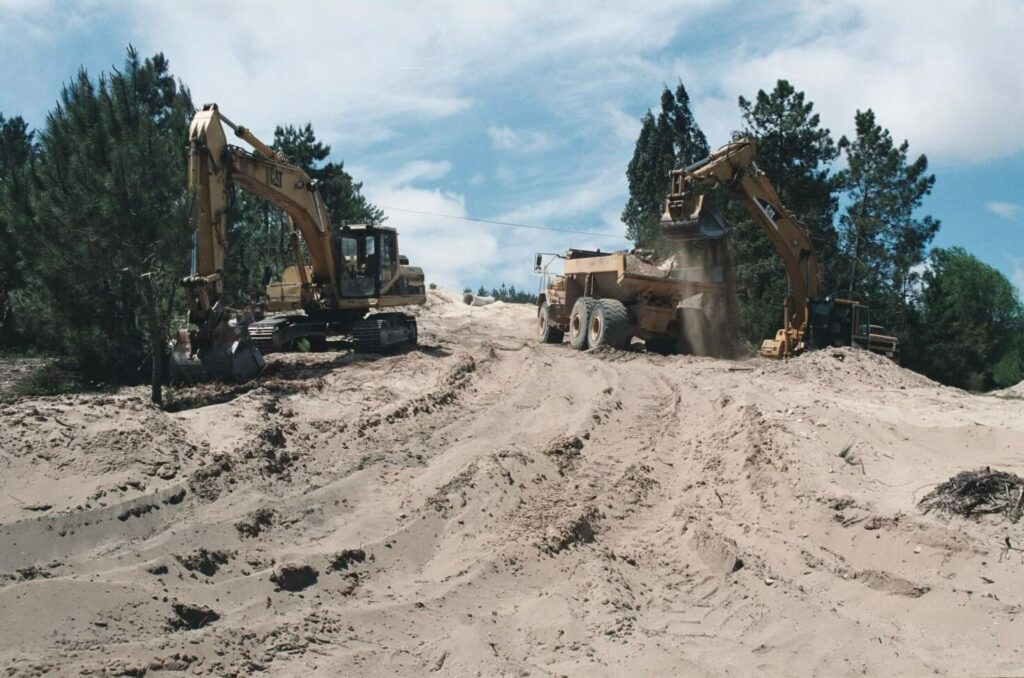
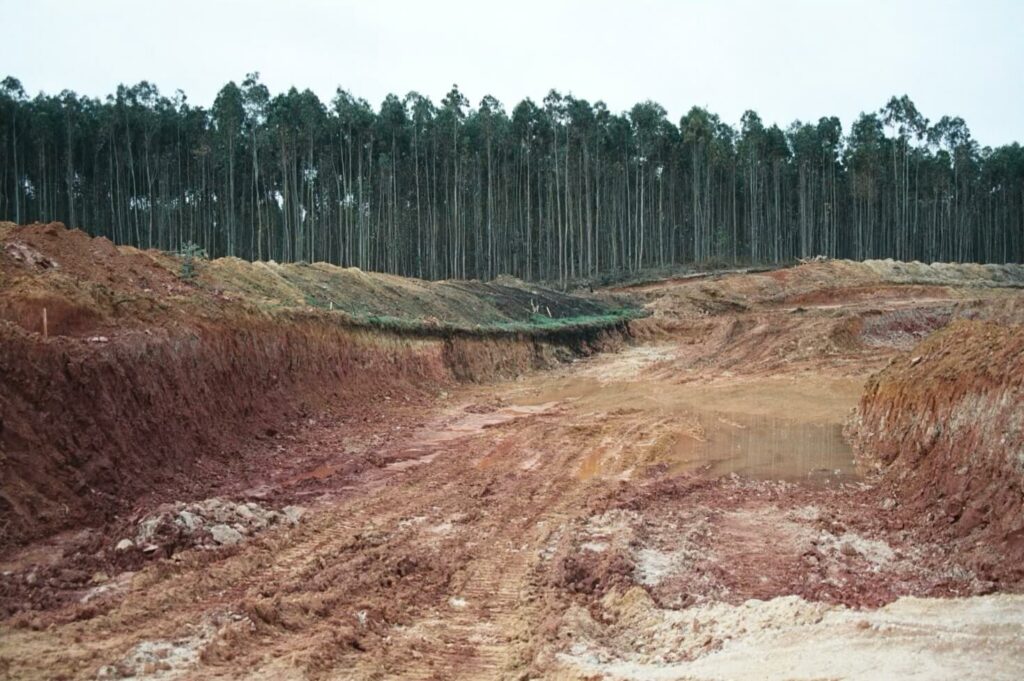
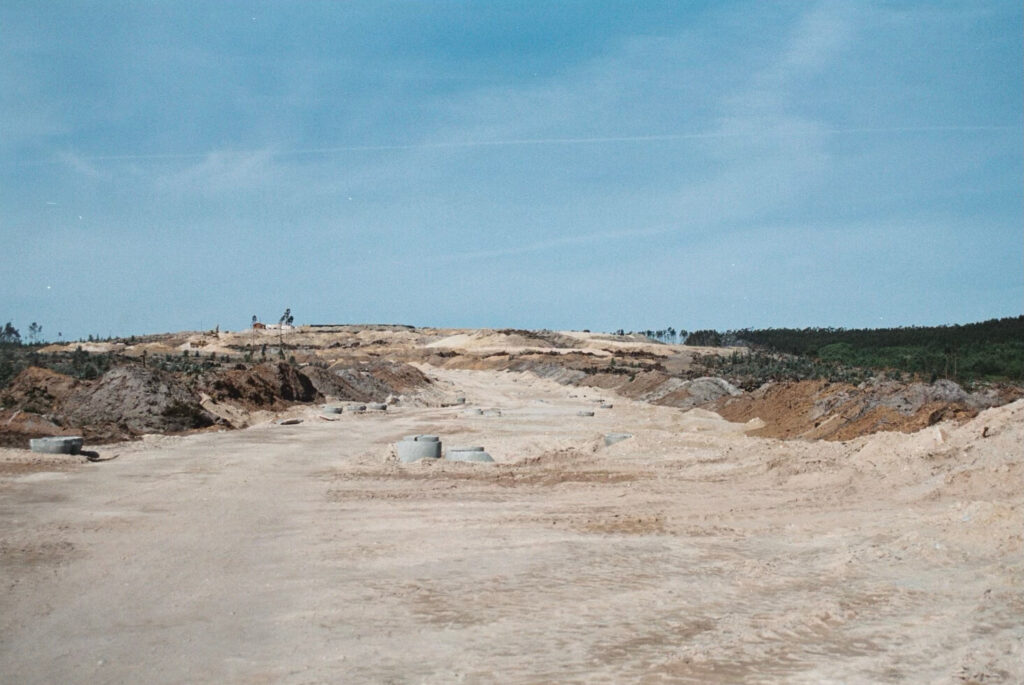
Additional Pictures from Josep Llinás
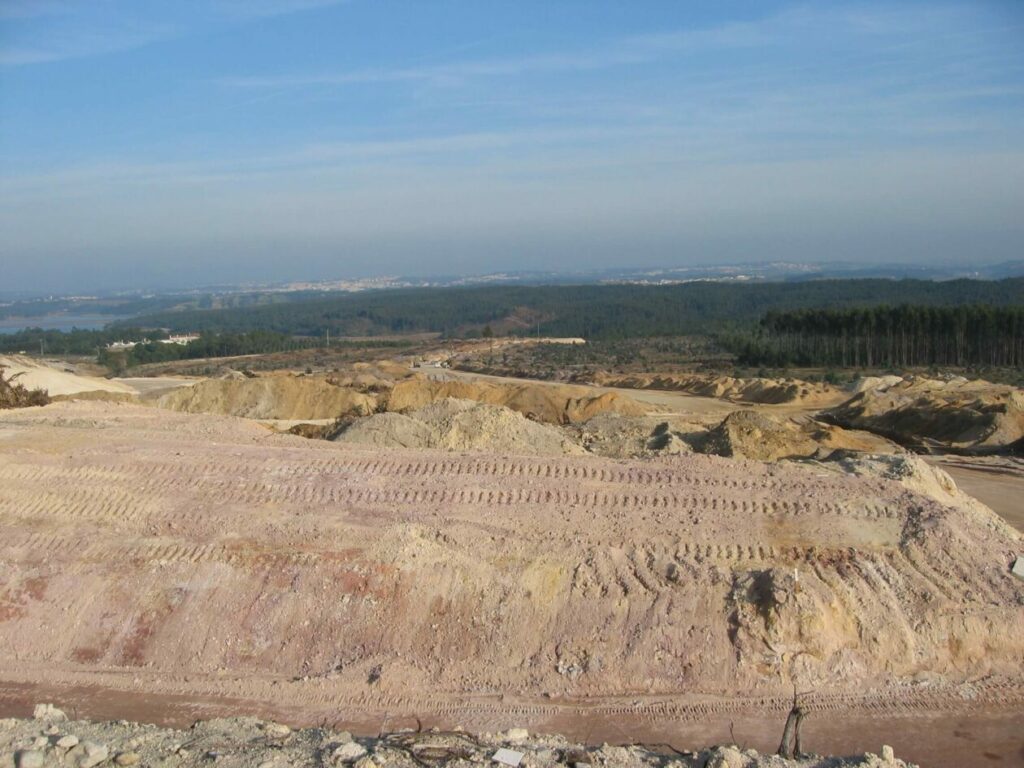
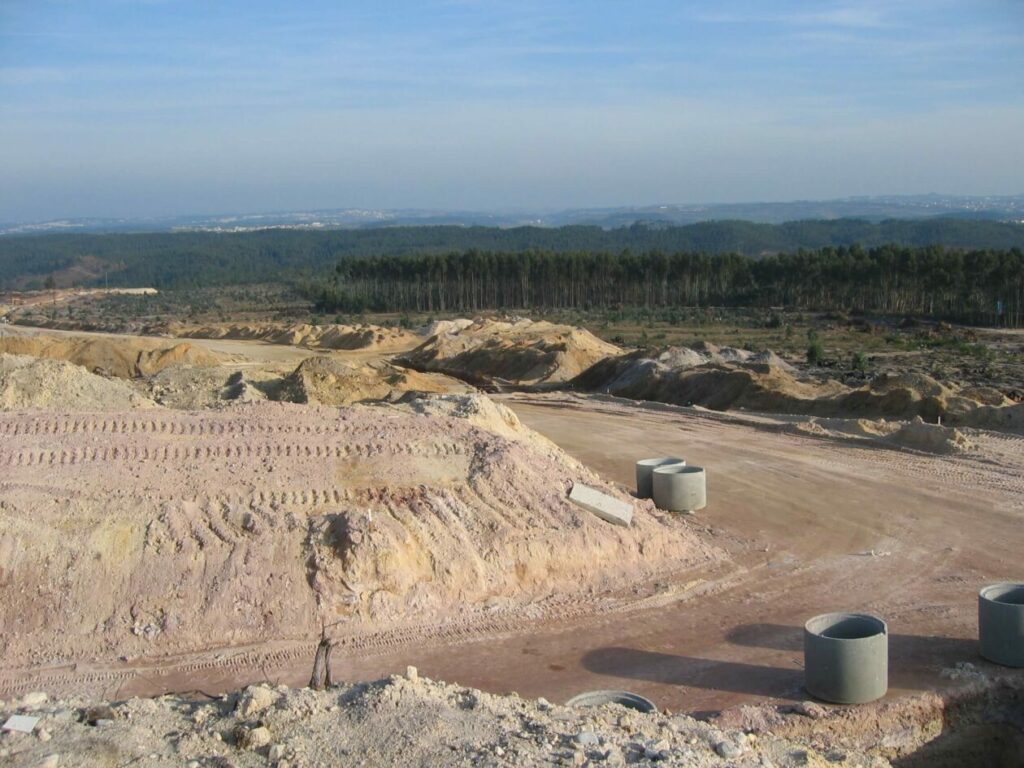
Hello, I’m thrilled to share the exciting news of the successful launch of Portugal Modern Architecture last week. Your warm wishes have been incredibly motivating—thank you! The website has already attracted 400 visitors from around the globe, and I’m honored that esteemed architects like Álvaro Siza Vieira and Falcão de Campos are planning to contribute high-quality images to enrich our webpage.
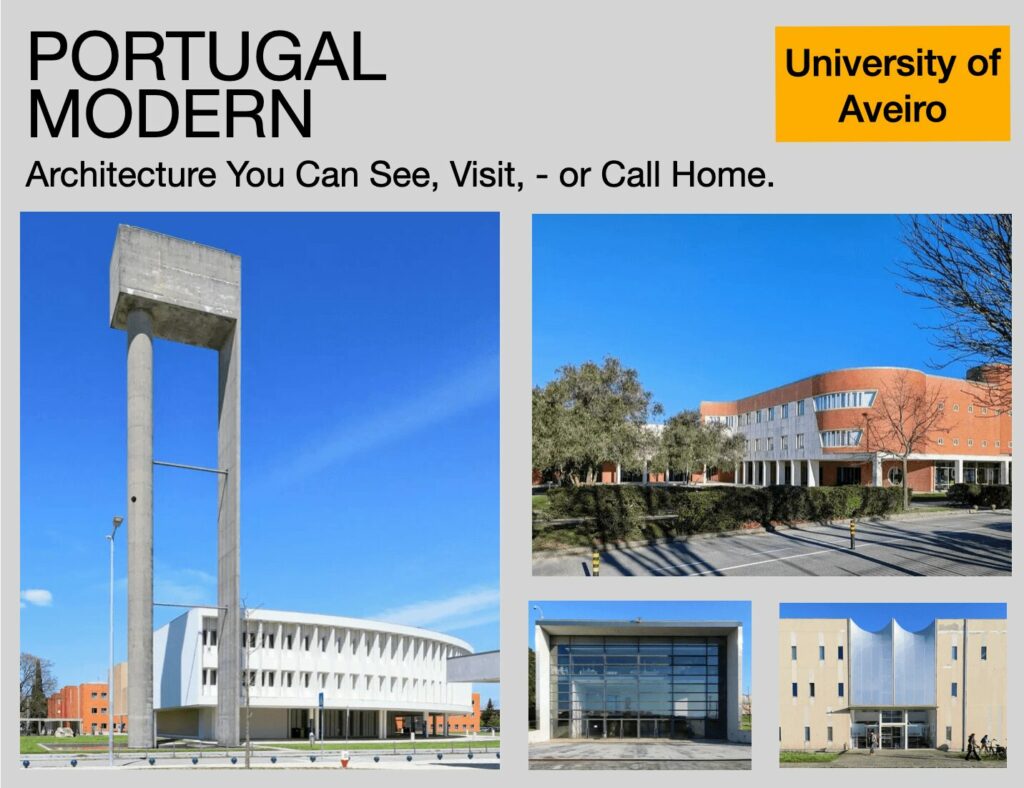
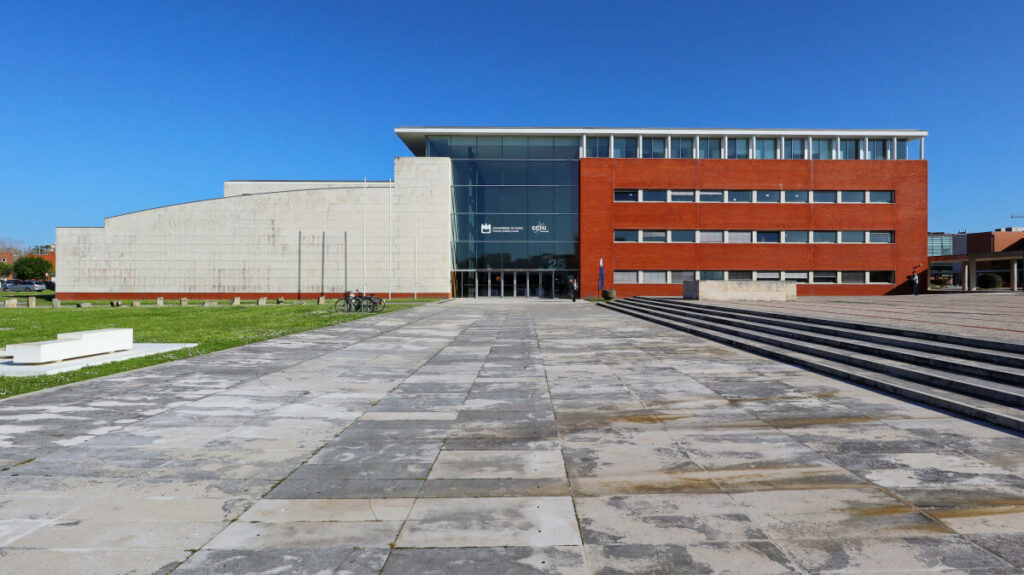
As we delve deeper into the modern architectural landscape, it’s essential to recognize how these structures reflect the cultural and historical narratives of their environments. The University of Aveiro is not just an educational institution; it’s a canvas showcasing the evolution of architectural thought in Portugal. This blog post will take you on a journey through its most iconic buildings, examining the stories, materials, and people behind them.
The site is strategically located near the Aveiro lagoon, enhancing the relationship between architecture and nature. This proximity influences the choice of materials and design elements, creating an immersive experience for students and visitors alike. Many consider this union of architecture and environment as a hallmark of contemporary design.
Today, I invite you to explore another remarkable architectural ensemble: the University of Aveiro. Much like Bom Sucesso, this campus showcases the collaborative brilliance of Portugal’s top architects and epitomizes Modern Architecture, resulting in a beautiful and functional space nestled near the water in northern Portugal.
The University of Aveiro campus is also home to various art installations and sculptures that complement its architectural beauty. These artworks, created by local and international artists, invite visitors to engage with the space in innovative ways, fostering a sense of community and creativity.
A Collaborative Architectural Masterpiece
The University of Aveiro’s campus is a testament to the synergy of renowned architects, including familiar names from Bom Sucesso:
Alcino Soutinho, Álvaro Siza Vieira, Gonçalo Byrne, Manuel Aires Mateus, and Carrilho da Graça
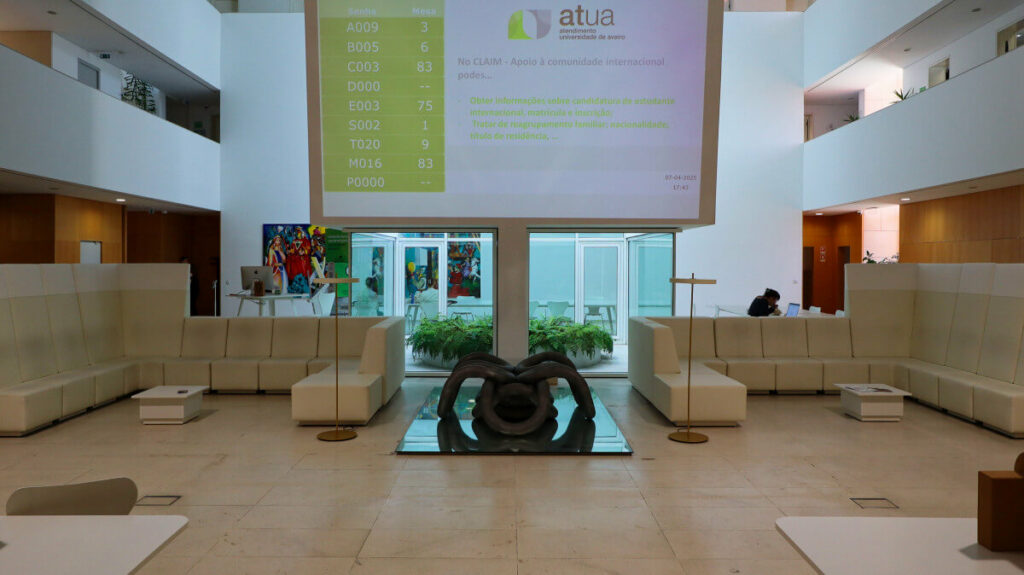
Furthermore, the University Library is not only a place for academic resources but also a hub for cultural activities. Events such as poetry readings, art exhibitions, and guest lectures take place here, reinforcing the library’s role as a pivotal part of campus life. These activities encourage interaction among students, faculty, and the wider community.
For Me, the Most Impressive Are:
Álvaro Siza Vieira’s University Library
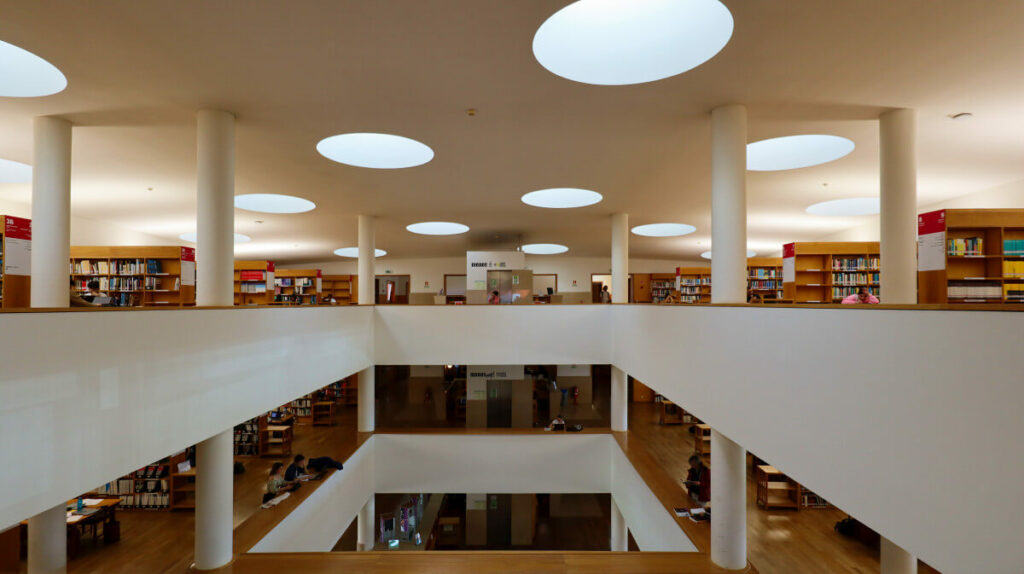
The University Library, crafted by Álvaro Siza Vieira, stands as a central feature of the campus. Siza drew inspiration from the geometry of the surrounding salt pans, influencing the building’s layout, horizontal openings, and the interplay of light within the interior. A distinctive curved wall on the western façade filters reflected light, while a continuous horizontal cut at the third level offers seated visitors a visual connection to the expansive salt marshes beyond.
The building also draws inspiration from Alvar Aalto—particularly in the use of skylights and artificial lighting designed to mimic natural light in the evenings.
In addition to its aesthetic appeal, the incorporation of sustainable practices in the design of the University Library highlights a commitment to environmental stewardship. Features such as green roofs and energy-efficient systems are integrated into the architecture, making the building a model for future educational facilities.
Embracing Traditional Materials
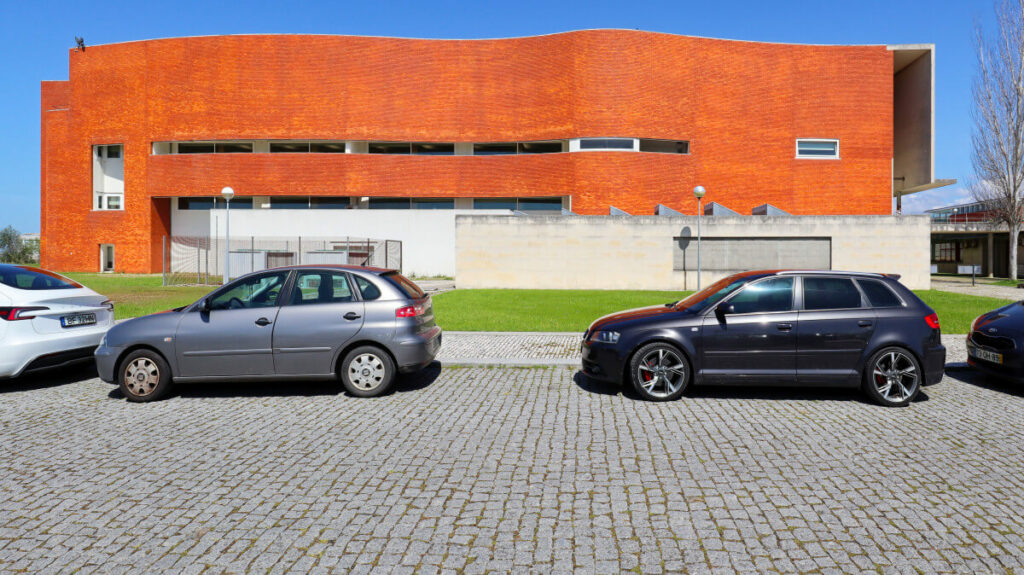
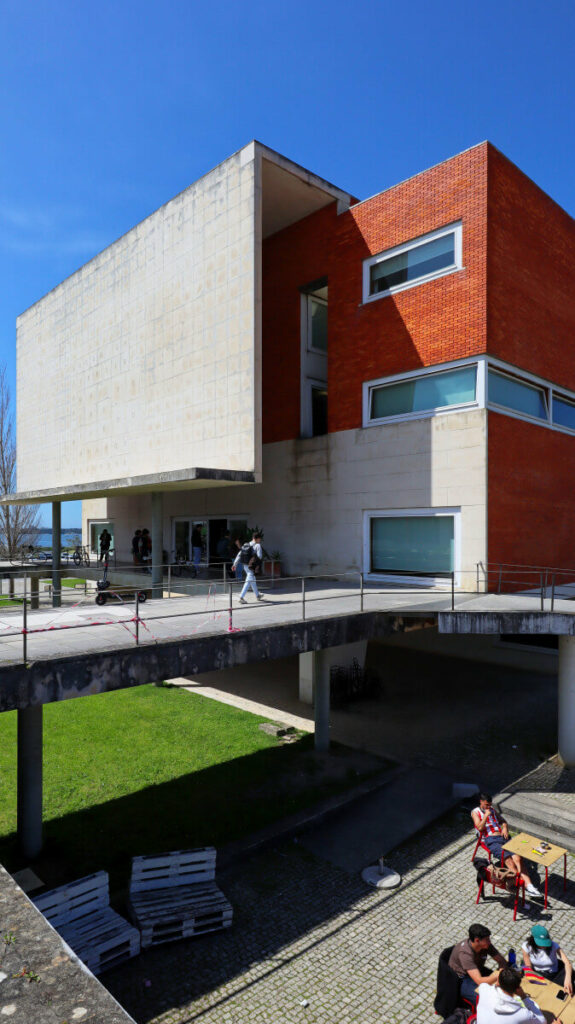
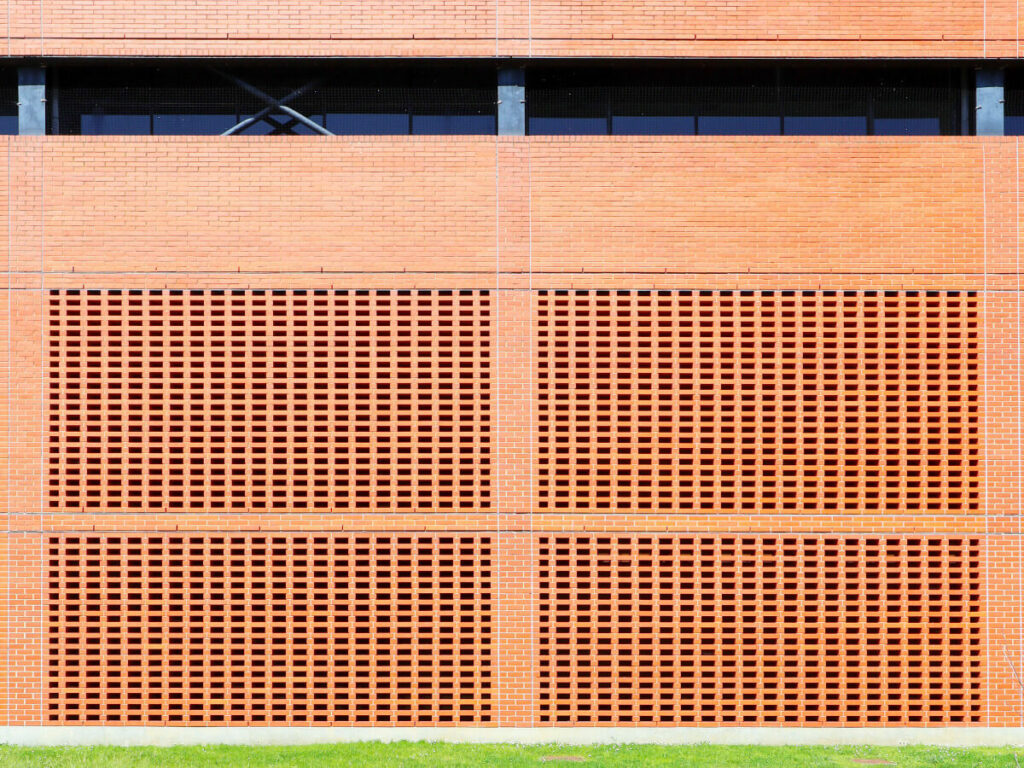
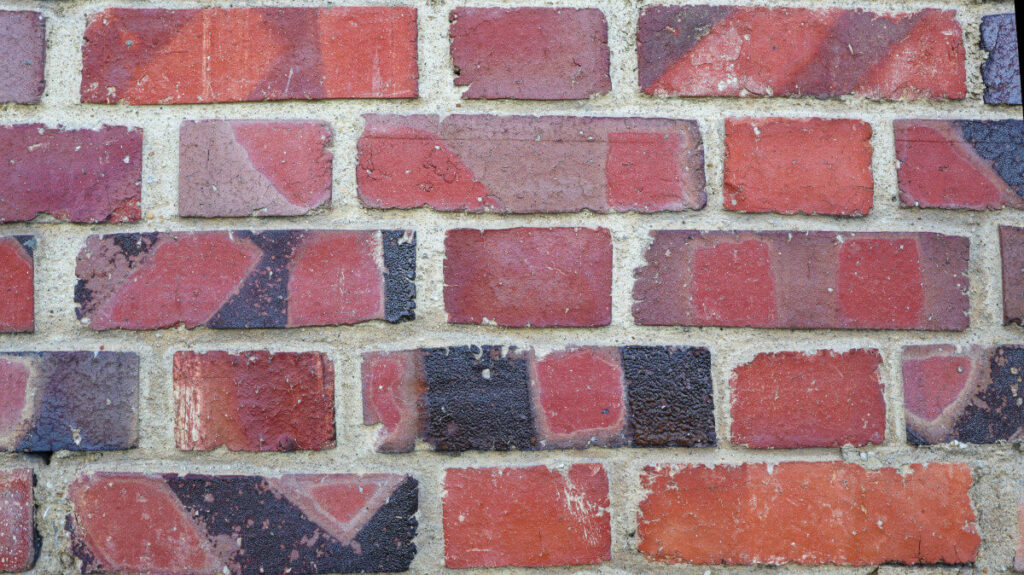
A notable aspect of the campus architecture is the prevalent use of red bricks—a material choice uncommon in Portugal. This decision pays homage to the historic brick manufacturers located near Aveiro, whose factories you can spot while driving in the region. These materials add a layer of regional authenticity to the campus structures.


The student residences designed by Adalberto Dias are not just places to live; they are designed with community in mind. Each building includes shared spaces that promote social interaction among residents, facilitating a vibrant living-learning environment. This thoughtful design helps cultivate lifelong friendships and collaborative learning experiences.
Adalberto Dias’ Student Residences
Architect Adalberto Dias designed some of the student residences, which are characterized by their functional design and harmonious integration with the campus environment. The use of red brick continues here, maintaining visual continuity across the campus.
The Chancellor’s Office building is equally significant as it stands as a symbol of the university’s administrative commitment to fostering a supportive and forward-thinking educational environment. The collaboration between Gonçalo Byrne and Aires Mateus reflects a deep understanding of the needs of both students and faculty, ensuring that everyone feels welcome and inspired within its walls.

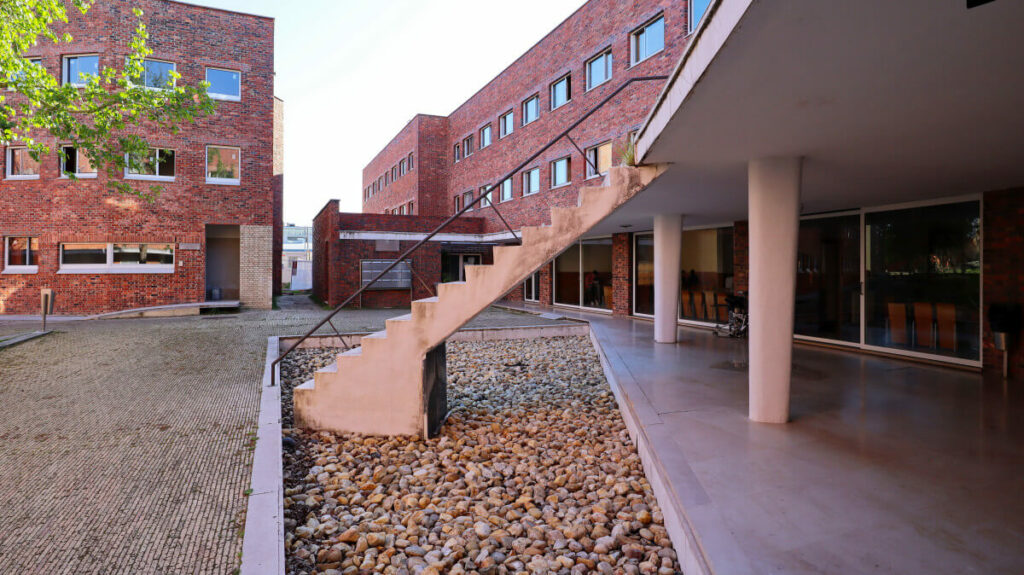
Chancellor’s Office by Gonçalo Byrne and Aires Mateus
The Chancellor’s Office, a collaborative effort between Gonçalo Byrne and Aires Mateus, exemplifies the modern architectural language that defines the University of Aveiro. The building’s design reflects a commitment to creating spaces that are both functional and aesthetically engaging.
Moreover, the University of Aveiro serves as a living exhibition of modern architecture not only through its buildings but also through the events and workshops held on campus. These activities often feature architects and designers who share their insights, providing students an opportunity to learn directly from industry leaders.
To further enrich the architectural experience, guided tours are available, where visitors can explore the campus while learning about the stories behind each structure. These tours are led by knowledgeable guides who can provide context and deeper understanding of the architectural choices made throughout the campus.
Ultimately, the University of Aveiro is more than just a place of learning—it’s a vibrant community that embraces the past while looking towards the future. As we continue to explore Portugal’s architectural landscape, it’s essential to appreciate how these spaces shape our experiences and foster connections among individuals.
In conclusion, I encourage everyone to visit the University of Aveiro to experience firsthand the beauty of modern architecture intertwined with cultural significance. As we celebrate these architectural marvels, we also celebrate the stories and lives they touch every day.
A Living Exhibition of Modern Architecture
The University of Aveiro serves as a living exhibition of contemporary Portuguese architecture. The campus’s cohesive design and the collaborative efforts of its architects have created an environment that is both inspiring and conducive to learning.
I look forward to sharing more insights into Portugal’s architectural marvels with you. Stay tuned for upcoming features on Portugal Modern.
Warm regards,
Ben
Dear Bom Sucesso Community,
I’m Ben — and I’m thrilled to welcome you to the very first blog post on Portugal Modern.
As we embark on this journey together, I want to highlight the unique characteristics of Portuguese modern architecture that captivated me. The blend of traditional elements with contemporary design creates a visual narrative that is both striking and meaningful. Each building tells a story, reflecting the rich cultural heritage of Portugal while embracing modernity.
This page exists because I fell in love with Portuguese modern architecture — right here in Bom Sucesso.
You’re the first group to get access to the website, and that’s no coincidence. Bom Sucesso is where this journey began for me, and it’s still at the heart of everything I want to share.
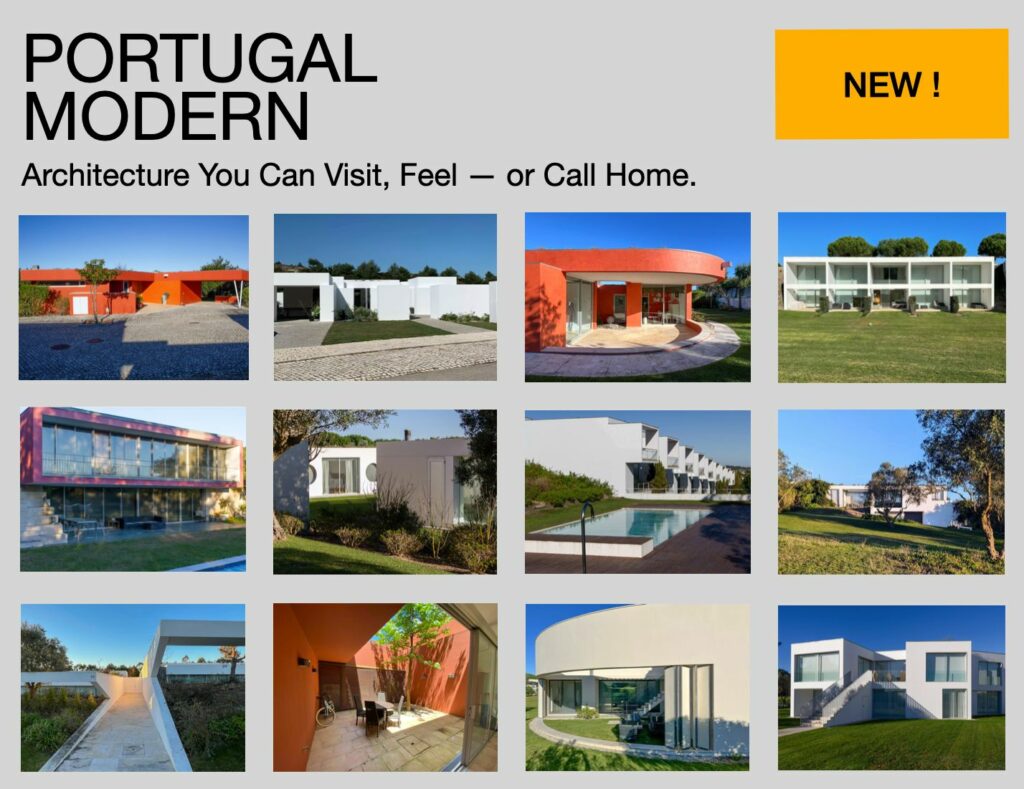
Portugal Modern – Architecture You Can See, Visit — or Call Home
During my travels, I visited several remarkable sites, such as the stunning Casa da Música in Porto, an iconic concert hall designed by Rem Koolhaas, which showcases the innovative spirit of modern architecture. Similarly, the MAAT museum in Lisbon presents a captivating blend of art and architecture, making it a must-visit for enthusiasts.
Over the last few years, I’ve been traveling across Portugal, exploring bold and beautiful examples of modern and postmodern architecture. The result is this site — a growing guide to Portugal’s contemporary architectural landscape.
It all starts here, with a deep dive into Bom Sucesso Resort — a place often described as “the largest living, permanent exhibition of private, contemporary architecture.”
Bom Sucesso Resort itself is a marvel, featuring diverse architectural styles and designs by some of Portugal’s leading architects. From minimalist structures to those with bold, geometric shapes, the resort is a living gallery of modern architecture, inviting visitors to appreciate the creativity and craftsmanship involved.
The site will also include interviews with architects, offering insights into their design philosophies and the challenges they face in their work. These narratives will enrich your understanding of the architectural process and the inspiration behind each project.
What You’ll Find on the Website
- Over 500 photos and 130 house plans from Bom Sucesso
- Links to books, publications, and original house designs
- A full directory of all houses in the resort — searchable, clickable, explorable
Additionally, we will explore sustainable architecture in Portugal, highlighting projects that prioritize environmental responsibility without compromising aesthetic appeal. This focus on sustainability is vital as we look towards the future of architecture.
This site is designed to grow, but Bom Sucesso is the beginning. Think of it as the first chapter in a story that expands across the country — from modernist university campuses to hidden villa neighborhoods and public spaces shaped by Portugal’s greatest architects.
3 Ways to Start Exploring
1. By Modern Architectural Ensembles
Portugal is home to remarkable modern architectural ensembles — from holiday resorts and villa neighborhoods to university campuses.
→ Click here: Modern Architectural Ensembles in Portugal

2. By Modern Architects
Browse by architect to see their work across the country.
→ Click here: Modern Architects from or Working in Portugal
3. Find Your House in Bom Sucesso
For those planning to visit, I will share tips on where to stay, places to eat, and local attractions to enhance your experience in Bom Sucesso and beyond. Portugal is rich in history and modern attractions alike, making it an extraordinary destination.
As we grow this platform, your contributions are invaluable. I encourage you to share your favorite architectural spots in Portugal, as well as any stories or experiences you’ve had related to modern architecture.
Our collective journey to discover and appreciate the beauty of modern architecture in Portugal is just beginning. I look forward to engaging with you, exploring unique designs, and celebrating creativity that inspires all of us.
Search the full list of houses in Bom Sucesso — and discover plans, photos, and architectural details.
→ Click here: Bom Sucesso Houses

A Note to New Visitors
If you’re reading this and you’re not from Bom Sucesso — welcome! This post was originally written for the local community, but the site is built for everyone with a love for modern architecture. Wherever you are in Portugal (or beyond), I hope you find inspiration here.
Feel free to share the site with friends, neighbors, or anyone who’s curious about Portugal’s contemporary design scene. And if you know something I don’t — or want to contribute photos, information, or stories — I’d love to hear from you.
Thanks for stopping by. Let’s explore together.
In 2024, the esteemed Spanish architect Josep Llinàs was honored with the Gold Medal for Architecture by the Consejo Superior de los Colegios de Arquitectos de España (CSCAE) (details here). This accolade, the highest in Spanish architecture, recognizes Llinàs’s profound impact on the field through his thoughtful designs and dedication to architectural education .
The Visionary Approach of Josep Llinàs in Modern Architecture
Llinàs’s architectural philosophy emphasizes a harmonious dialogue between new constructions and their existing environments. His notable works include the Jaume Fuster Library in Barcelona and the Central Library in Terrassa, both exemplifying his commitment to integrating structures seamlessly into their urban contexts .
Josep Llinàs at Bom Sucesso Resort
At Bom Sucesso Resort in Óbidos, Portugal, Llinàs contributed to the resort’s architectural diversity by designing a unique housing typology. His involvement adds to the resort’s reputation as a living exhibition of contemporary architecture.
Josep Llinás‘ 6 Villas at Bom Sucesso Resort

When buying and living at Bom Sucesso Resort, it’s important to understand that the property operates under multiple regulatory frameworks. These include national regulations for Tourist Villages (Resorts) set by Turismo de Portugal, as well as detailed Condominium regulations specific to Bom Sucesso. These rules directly impact your property rights, your ability to rent your property (especially for short-term rentals), and your day-to-day use of your villa and the resort facilities.
Under national law for Tourist Villages, short-term rentals are managed exclusively by the Resort’s official tourism operator BS Villa. This means individual owners cannot independently operate short-term holiday rentals without going through the Resort management.
These short-term rental is based on additional agremment with BS Villa.
National level, the Legal Regime for Tourist Developments
At the national level, the Legal Regime for Tourist Developments (RJET) in Portugal was established by Decree-Law No. 39/2008, of March 7, and has undergone several amendments over the years.
The most recent amendment was introduced by Decree-Law No. 9/2021, of January 29, which brought significant changes to the legal framework for tourist developments (source: business.turismodeportugal.pt).
Additionally, Decree-Law No. 10/2024, of January 8, introduced changes to the Legal Regime for Urbanization and Building (RJUE), impacting procedures related to tourist developments, particularly by eliminating the construction permit and replacing it with the receipt of payment for the required fees (source: vidaeconomica.pt).
Furthermore, in 2024, Decree-Law No. 76/2024, of October 23, introduced new measures concerning public policy for the housing and tourism sectors. This law may include relevant provisions for tourist developments, so it is advisable to review it carefully to understand its specific impact (source: pgdlisboa.pt). For detailed and up-to-date information on the legislation applicable to tourist developments, it is recommended to consult the Turismo de Portugal portal, which provides a compilation of relevant laws and additional resources for tourism operators
See here: business.turismodeportugal.pt.
Under these national laws, short-term rentals are managed exclusively by the Resort’s official tourism operator. This means individual owners cannot independently operate short-term holiday rentals without going through the Resort management.
Condominium level
At the Condominium level, three key documents govern ownership and usage:
1. Title Deed (Master Deed) of Bom Sucesso Resort:
The Title Deed defines the full structure of the resort, detailing each residential unit, tourist facility, shared infrastructure, and the legal relationship between individual ownership and shared ownership.
2. Administration Regulation (Management Rules) of Bom Sucesso Condominium
These rules govern how the resort is managed, how owners participate in decisions, voting rights, budget approvals, and maintenance contributions..
- Portuguese version from 2015 here
- (Portuguese version from 2007 here)
- Spanish version here
- English version here
3. Behavioral Regulation (Usage Rules & Conduct)of Bom Sucesso Condominium
Clear conduct rules for owners and guests: noise limits, allowed use of common areas, pet rules, aesthetics, commercial signage, safety, and environmental obligations.
Recommendation We strongly recommend that any prospective buyer or current owner request the latest regulations from the Condominium office and review these documents carefully with their lawyer to fully understand the legal, operational, and financial implications of ownership at Bom Sucesso Resort.